

Why Does My Moisturizer Burn? 5 Common Reasons
If you’ve ever paused mid-routine and wondered why does my moisturizer burn, especially when it is supposed to be gentle, the answer is usually not random. In many cases, your skin is reacting to irritation, dehydration, or a compromised barrier – which can make even simple products feel sharper than usual.
This kind of stinging can feel surprisingly unsettling because moisturizer is meant to calm your skin, not make it feel worse. The good news is that a burning sensation often points to something fixable – and once you understand what your skin is responding to, the next steps usually become much clearer.
What this post answers
Why moisturizer burns on your face, why gentle formulas can still sting, and how to tell whether the issue is your skin barrier, your routine, or the product itself.
What to expect
A calm explanation, practical adjustments, and a few product examples that make sense for irritated, dry-climate skin without turning this into a shopping list.
Disclaimer: I’m not a dermatologist or medical professional – this post is based on research and personal experience. It may contain affiliate links that earn a small commission at no extra cost to you. The information here is for general informational purposes only and should not be taken as medical advice. Always seek the guidance of a qualified healthcare professional before adding new supplements, tonics, or making changes to your diet, skincare, or lifestyle routine.
- Quick answer – why does my moisturizer burn?
- What’s happening when your moisturizer burns
- Why does my moisturizer burn? 5 common reasons
- Why gentle moisturizers can still burn
- Signs your skin barrier may be compromised
- What to do if your moisturizer burns
- When it might actually be the product
- When to check with a professional
- How to prevent this from happening again
- Frequently asked questions
If you are asking why does my moisturizer burn, the most common reason is a stressed skin barrier. When your barrier is disrupted, your skin becomes more reactive, so products that once felt completely fine can start to sting – especially after too many actives, too much cleansing, or long stretches of dry indoor air.
💡 Quick Pro Tip: If your moisturizer suddenly starts burning, do not rush to buy five new products at once. A calmer test is to pause actives, simplify your routine for several days, and watch whether the stinging improves – because that often tells you more than swapping everything immediately.
What’s happening when your moisturizer burns
Your skin barrier acts like a protective outer layer that helps keep water in and irritants out. When it is healthy, moisturizer usually feels smooth and comforting. When it is stressed, skin becomes more vulnerable – which is why a product can suddenly feel hot, prickly, or irritating even if the formula did not change.
You know that in-between stage when your skin does not look dramatically different, but everything feels a little off – tighter after cleansing, a bit more reactive around the cheeks, and less comfortable overall? That is often the moment when moisturizer burns on your face even though the problem started earlier.
What this usually feels like
A brief sting on application, a warm flush around dry areas, or a stronger burning sensation after recent exfoliation are all common patterns. If your whole routine has started to feel harsher, not just your cream, it often helps to read why skincare stings next because the same barrier logic usually applies.
Why does my moisturizer burn? 5 common reasons
1. Your skin barrier is compromised
This is the biggest reason behind why your moisturizer burns. When your barrier is weakened, your skin loses moisture more easily and becomes easier to irritate, so even basic ingredients can feel sharper than they normally would.
If this sounds familiar, the next helpful read is skin barrier repair, especially if you are also noticing flaking, tenderness, or tightness after washing.
2. You’ve been using too many actives
Retinol, exfoliating acids, and strong brightening products can slowly push skin past its comfort zone, even when the routine looked reasonable on paper. That is why gentle moisturizer burns can show up after a week or two of overdoing exfoliation instead of on day one.
If you live in a dry climate, this threshold can feel even lower because the air itself is already pulling at your skin.
3. Your skin is dehydrated, not just dry
Dry skin lacks oil, but dehydrated skin lacks water – and the two can overlap. In low humidity, heated rooms, or long winter stretches, skin often becomes more reactive and less resilient, which is one reason moisturizer may sting more than usual.
This shows up a lot in skin that feels fine right after skincare but turns uncomfortable again by mid-day. If that is you, why skin gets dry during the day is a natural next step.
4. Your skin is temporarily sensitized
Sometimes the issue is not one dramatic mistake but a pileup of small stressors – a stronger cleanser, less sleep, colder air, or trying multiple new products close together. Skin can become temporarily reactive long before it looks obviously irritated.
When that happens, moisturizer is often the product that finally reveals the problem because it touches the whole face and goes on after cleansing.
5. Certain ingredients may be contributing
While a stressed barrier is often the main story, the formula itself can still matter. Fragrance, essential oils, or a product with more active ingredients than your skin can comfortably handle right now can all add to the sting – especially if your face already feels slightly raw or overworked.
This is why it is possible for the answer to why does my moisturizer burn to be both things at once – your skin barrier is off, and the product is not a great fit for that moment.
It starts quietly
A bit more dryness, a cleanser that suddenly feels stripping, or actives that used to be easy but now leave your skin slightly tender. The shift often begins before the stinging does.
Your tolerance drops
Once skin is stressed, it has less margin for error. That is why even a familiar moisturizer can start to feel wrong without any obvious change to the jar itself.
The moisturizer becomes the signal
Because it is the product you spread over the largest area, it often becomes the moment you notice the problem. The cream is not always the cause – but it is often the clearest clue.
Why gentle moisturizers can still burn
This is the part that feels the most confusing. If a product is labeled gentle, it seems like it should never sting – but “gentle” only describes the formula, not the condition your skin is in that day.
When your barrier is irritated, skin becomes more reactive overall. So even a very plain cream can feel uncomfortable for a minute if your face is already sensitized from dry air, recent exfoliation, or over-cleansing.
What “gentle” really helps with
It lowers the chance of adding more irritation because the formula is usually simpler, softer, and less loaded with triggers. Products like Etude SoonJung 2× Barrier Cream or Aestura Atobarrier 365 Cream make sense here because they are barrier focused rather than treatment heavy.
What “gentle” does not guarantee
It does not override a damaged barrier, very dehydrated skin, or a recent stretch of over-exfoliation. If your skin is already inflamed, even a gentle product can still sting until things calm down.
Heads-up: A brief, mild tingle is not the same as a stronger burning sensation that keeps happening or leaves your skin looking more irritated. If your moisturizer stings every time, especially after you simplified your routine, treat that as useful feedback rather than something to push through.
Signs your skin barrier may be compromised
If you are trying to work out whether the issue is just one product or your skin overall, these signs matter more than any single ingredient list:
- Stinging when applying products – especially products that used to feel perfectly normal a week ago.
- Tightness after cleansing – even when you are using lukewarm water and not scrubbing your face.
- Redness, rough patches, or flaking – often around the cheeks, nose, or areas where dry air hits hardest.
- Skin that just feels “off” – not necessarily breaking out, but less comfortable, less resilient, and more easily irritated.
If tightness after washing keeps showing up before the stinging does, it is worth reading skin feels tight after cleansing because that pattern often points to barrier stress building in the background.
What to do if your moisturizer burns
If you want the calmest reset, think in terms of small changes that lower irritation fast instead of dramatic routine overhauls. The goal is not to chase every possible cause at once – it is to reduce the noise so your skin can tell you what it actually needs.
Simplify your routine first
For several days, keep your routine very basic – a gentle cleanser, a simple moisturizer, and sunscreen in the morning. Cleansers like CeraVe Hydrating Cleanser or Vanicream Gentle Facial Cleanser fit this phase better than anything strongly foaming, scrubby, or “active.”
Pause actives for now
If you have been using acids, retinol, or strong treatment serums, take a short break. This does not mean you can never use them again – it just gives your skin a quieter baseline so you can see whether the burning settles.
Choose richer, barrier-focused textures
When skin is irritated, lighter gel formulas are not always enough. This is when creams such as Aestura Atobarrier 365 Cream, Etude SoonJung 2× Barrier Cream, or Vanicream Moisturizing Cream often make more sense because they focus on comfort and support rather than correction.
Use a rescue layer only where it helps
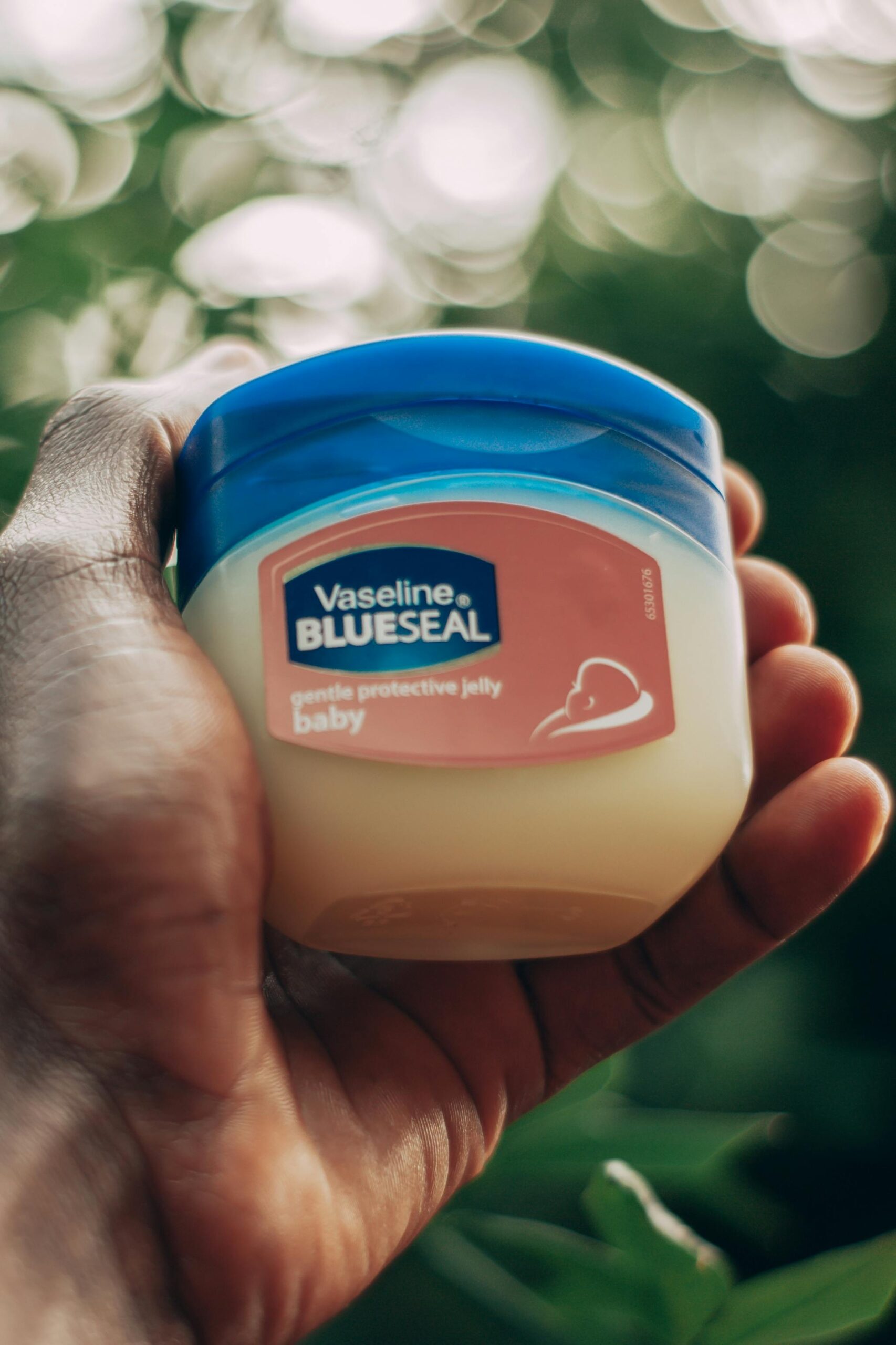
If certain spots feel especially sore or overexposed, a thin layer of La Roche-Posay Cicaplast Baume B5 or even Vaseline (petrolatum) over the driest areas can help reduce friction and hold moisture in. That is different from coating your whole face if the rest of your skin does not need it.
💡 Quick Pro Tip: If your skin burns most on the same small areas every time – usually around the nose, mouth, or upper cheeks – treat those zones like separate problem spots. A richer barrier cream or a thin protective layer just there often works better than making your whole routine heavier.
Adjust cleansing if your face already feels stripped
When skin is irritated, cleansing habits matter more than people think. If your face feels squeaky, tight, or unusually bare afterward, your cleanser may be taking more than it needs to – which can make moisturizer sting more on the next step.
This is where a softer cleansing approach helps. Use lukewarm water, keep cleanser contact brief, and avoid doubling up with harsh washes. If you want more cleanser-specific guidance, how to choose the best cleanser for dry winter skin goes deeper on that balance.
Support the environment if dry indoor air is part of the pattern
Sometimes the routine is only half the story. If your skin feels worse overnight, tighter in the morning, or more reactive after being indoors all day, very dry heated air may be amplifying the problem.
A humidifier like the Dreo Smart Cool-Mist 4 L can make sense here as a support step rather than a “fix.” If this is a recurring winter issue for you, do humidifiers help with dry skin and best humidifiers for dry skin are the most relevant next reads.
When it might actually be the product
Even though barrier stress is a very common reason for stinging, sometimes the product really is part of the problem. This is more likely if the burning is consistent, the formula is fragranced or treatment-heavy, or the irritation does not improve after you simplify everything else.
That does not always mean the moisturizer is “bad.” It may simply mean the formula does not match what your skin can comfortably handle right now. In that phase, simpler options such as Avène Tolérance Control Soothing Skin Recovery Balm or Vanicream Moisturizing Cream often make more sense than trying to force your skin to adapt.
What a better fit usually looks like
A better fit for irritated skin is usually fragrance free, lower drama, and more focused on barrier support than on actives or a long ingredient story. Think calm creams, minimal cleanser steps, and fewer treatment layers until your skin feels stable again.
If your moisturizer is not burning but still seems to do very little for your dryness, why your moisturizer isn’t working is the better follow-up because the problem may be performance rather than irritation.
When to check with a professional
If the burning is intense, keeps returning, spreads beyond application, or comes with swelling, rash, blisters, or worsening redness, it is best to stop using the product and check in with a qualified healthcare professional. A skincare blog can help with common patterns, but it should not replace medical care when irritation becomes persistent or severe.
How to prevent this from happening again
Once your skin feels calmer, prevention usually comes down to restraint. A more stable routine almost always beats a more exciting one when your barrier is already prone to feeling reactive.
Watch for the early signals
Tightness after cleansing, slight burning around the nose, and products feeling “stronger” than they used to are often the first hints that your skin needs a slower pace. Catching that stage early is easier than waiting for a full irritation spiral.
Do less at the same time
Avoid stacking too many exfoliants, new serums, and active nights into the same week. If your skin already runs dry, spacing things out matters more than squeezing in every trending step.
Keep a few dependable basics around
A gentle cleanser, one barrier cream, and one “rescue” product for dry spots are often enough to steady your skin quickly. That kind of routine may look simpler, but it usually creates fewer setbacks.
If your skin frequently reaches the point where nothing feels comfortable anymore, why nothing works for dry skin helps connect the bigger pattern. And if irritation tends to show up with visible redness too, dry skin redness is the most relevant companion read.
Frequently asked questions
Why does my moisturizer burn even if it says it’s gentle?
“Gentle” describes the formula, not the condition of your skin that day. If your barrier is stressed from dry air, over-cleansing, or too many actives, even a very simple cream can sting for a minute because your skin is already more reactive than usual.
This is why the same moisturizer can feel perfectly fine one week and uncomfortable the next. The shift is often in your skin, not just the jar.
Why is my moisturizer stinging all of a sudden?
Usually because a few smaller things have added up in the background – drier weather, more indoor heat, more active use, or a cleanser that has started to feel slightly too stripping. Your skin can quietly lose tolerance before it shows obvious irritation.
That is why it can feel sudden even when the stress was building for days. Moisturizer just happens to be the step where you finally notice it clearly.
Should I stop using a moisturizer that burns?
If the sting is brief and mild, and your skin otherwise calms down quickly, it may be a sign your barrier is temporarily stressed rather than proof the product is unusable forever. But if the burning is stronger, keeps happening, or leaves your skin looking more irritated, it is usually better to stop and simplify.
That gives you cleaner information and avoids pushing your skin through something it is clearly not enjoying.
What kind of moisturizer is best when skin burns easily?
Usually a simple, fragrance-free, cream-based formula with barrier-supportive ingredients is the safest place to start. Products like Aestura Atobarrier 365 Cream, Etude SoonJung 2× Barrier Cream, or Vanicream Moisturizing Cream fit that role better than formulas loaded with strong actives or lots of fragrance.
The goal is not the most impressive ingredient list – it is the most comfortable one for your skin right now.
Can dehydration make moisturizer burn?
Yes – especially in low humidity or heated indoor environments. Dehydrated skin is often more reactive, more fragile-feeling, and less comfortable overall, which can make even hydrating products feel sharper on application.
If your skin seems to get drier again by mid-day or feels worse after long stretches indoors, that environmental piece is worth paying attention to.
When is burning more serious than simple irritation?
If the burning is intense, persistent, spreading, or comes with swelling, a noticeable rash, blisters, or worsening redness, it moves beyond a basic “my barrier feels off” moment. That is when it is best to stop using the product and get professional guidance.
Skincare advice can help with common patterns, but anything that looks severe or keeps coming back deserves a closer medical look.
If your moisturizer suddenly burns, it does not automatically mean your skin is ruined – it usually means your skin wants less pressure, fewer variables, and a little more support for a while.
Keep Reading: Why skincare stings · Skin barrier repair · Why skin gets dry during the day · Dry skin redness
📚 Sources & References
You Might Also Like
Winter Sunscreen for Dry Skin: Why SPF Feels Drying & What Works

Best Barrier Repair Creams for Dry Skin That Actually Work
Why Your Skin Gets Dry Overnight (Even With a Night Routine)

Is Collagen Powder Worth It? The Real Answer (2026)
Why Skincare Isn’t Working in Winter – Even If You’re Doing Everything Right

Flaky Skin on Face: Why It Happens and the Real Fix

Why Does My Skin Look Dull but Hydrated? What You’re Missing

Does Slugging with Vaseline Actually Work?
Bumpy Skin Texture – What Causes It and How to Smooth It Safely
Best Moisturizers for Extremely Dry Winter Skin (Canada)