
Dry Skin Redness – Why It Happens and How to Calm It Fast
If you are dealing with dry skin redness – that flushed, irritated look that seems to come out of nowhere – it can feel confusing and frustrating fast. You know that feeling when your skin suddenly looks red, feels tight, and even your usual cleanser or moisturizer starts to sting a little? In many cases, that is not just simple dryness. It is often a sign that your skin is becoming more reactive than usual, especially when your barrier is stressed and the air around you is not helping.
That is why dry skin redness can seem to appear all at once – and why the wrong routine can keep it going longer than it needs to. The good news is that this usually responds best to a calmer, simpler approach. So let’s walk through what may be causing it, what tends to make it worse, and how to calm your skin in a way that actually helps it settle.
Disclaimer: I’m not a dermatologist or medical professional – this post is based on research and personal experience. It may contain affiliate links that earn a small commission at no extra cost to you. The information here is for general informational purposes only and should not be taken as medical advice. Always seek the guidance of a qualified healthcare professional before adding new supplements, tonics, or making changes to your diet, skincare, or lifestyle routine.
- What dry skin redness actually means
- Signs your skin barrier may be damaged
- Why dry skin redness happens
- What makes dry skin redness worse
- What not to do when your skin is irritated
- How to calm dry skin redness fast
- A simple routine for dry skin redness
- Why your skin feels burning and irritated
- How long dry skin redness takes to calm down
- Frequently asked questions
What Dry Skin Redness Actually Means
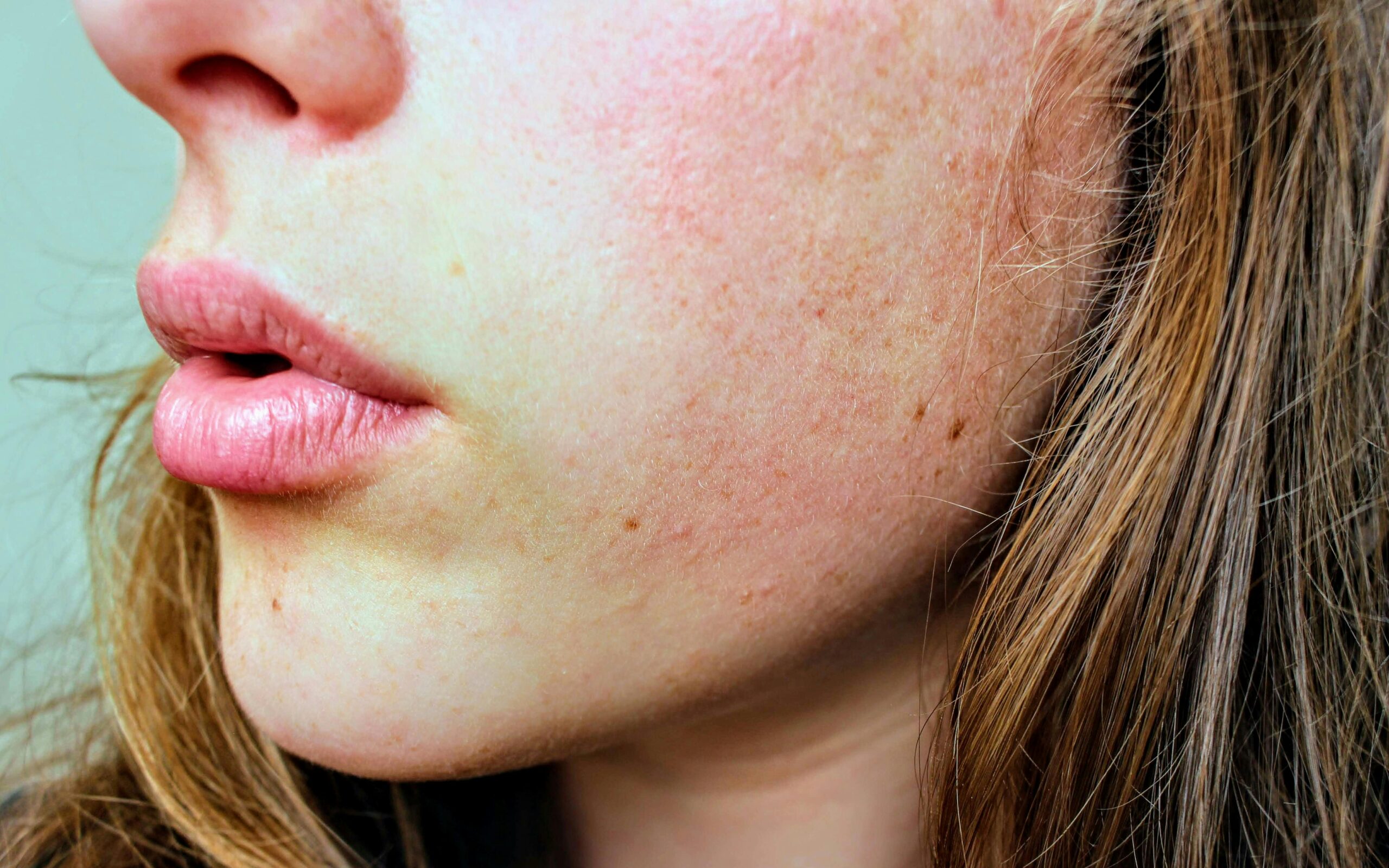
When dry skin redness shows up, it often means your skin barrier is under more stress than usual. Your barrier helps hold moisture in, keep irritants out, and maintain a calmer, more even-looking surface. When that barrier becomes weakened, skin usually reacts more easily and feels less comfortable overall.
This is when you might start noticing redness that lingers, tightness that does not fully go away after moisturizing, or products that suddenly sting when they never used to before. So while it may look like simple dryness on the surface, it is often dry skin irritation and barrier stress happening at the same time.
💡 Quick Pro Tip: If your skin is red and reactive, resist the urge to “balance it out” with exfoliation or a more active routine right away. In a dry climate, skin often settles faster when the routine becomes simpler, not stronger.
Signs Your Skin Barrier May Be Damaged
Sometimes the redness is only part of the picture. A few patterns tend to show up together when the barrier needs more support. This is often the point where skin starts to feel both dry and irritated at the same time, which is why the symptoms can seem confusing if you only think of it as dryness.
- Persistent dry skin redness on the face – especially across the cheeks, around the nose, or in flaky patches that never seem fully calm.
- Burning or stinging after skincare – even with products that used to feel gentle and familiar.
- Tightness that does not go away – your skin may still feel dry or stretched even after layering on moisturizer.
- More reactivity than usual – skin may flush faster, look more uneven, or seem bothered by weather changes and indoor heat.
If several of these sound familiar, your skin may need a reset rather than more actives. That usually means gentler cleansing, steadier hydration, and more barrier support for a little while.
Why Dry Skin Redness Happens
There is rarely one single cause behind dry skin redness. More often, it is a buildup of smaller things that slowly push your skin into a more reactive state. That is why redness can seem to appear suddenly even though the underlying stress has usually been building for a while.
A weakened barrier
When skin does not have enough moisture and lipids, it becomes more vulnerable to irritation. That means dry air, wind, indoor heating, and even otherwise-normal products can hit harder than usual. This is one of the most common reasons dry skin redness on the face starts lingering instead of settling quickly.
Too many active ingredients
Exfoliating acids, retinol, and stronger vitamin C formulas can all be useful in the right context. But when skin is already dry or climate-stressed, they can push it further than it can comfortably handle. If this sounds familiar, safe exfoliation is a good next read before reintroducing anything active.
Seasonal changes and dry air
Spring is not always gentle on the skin. Dry air, wind, temperature shifts, and lingering indoor heat can all make it harder for skin to hold moisture. If your skin feels tighter by morning or more reactive during seasonal transitions, this often ties back to how your routine is handling a dry climate.
A quiet bedroom humidifier such as the Dreo Smart Cool-Mist 4 L can make sense here if your skin tends to feel drier overnight. You can also go deeper with why skin stays dry in spring or spring routine changes.
Cleansing that is too harsh
You know that feeling when your skin feels clean but also a little too tight? That is often a sign your cleanser is removing more than it should. Gentler options like Vanicream Gentle Facial Cleanser or CeraVe Hydrating Cleanser make more sense when skin already feels red, fragile, or uncomfortable.
If cleansing is part of the issue, tight-after-cleansing skin and gentle cleansers for dry skin are both very relevant next reads.
Hidden irritants in “hydrating” products
Even products marketed as hydrating can include fragrance or other ingredients that reactive skin may not love in the moment. That does not mean every fragranced product is bad. It just means that when skin is already irritated, simpler formulas usually make recovery easier and more predictable.
Heads-up: If your redness is persistent, painful, spreading, or coming with swelling, rash, crusting, or oozing, it is worth getting medical advice instead of assuming it is only dryness. A damaged barrier can overlap with other skin issues, and those need a different approach.
What Makes Dry Skin Redness Worse
Once your skin becomes irritated, a few habits can quietly keep the cycle going. This is often the part that delays improvement, because the skin never really gets a chance to settle before the next stressor shows up.
Continuing actives too soon
If your skin is stinging, burning, or staying visibly red, this usually is not the time to push through with exfoliants or stronger treatments. Giving your skin a short break often helps more than trying to treat through the irritation.
Over-cleansing and hot water
Washing too often or using hot water can make dry skin redness hang around longer. It may feel satisfying in the moment, but it usually leaves the barrier more vulnerable afterward.
Switching too many products at once
When skin suddenly reacts, it is tempting to replace everything overnight. But when too many new products come in at once, it becomes much harder to tell what is calming your skin and what is keeping it irritated.
Using formulas that are too light
A fresh gel texture can feel nice, but it may not be enough if your barrier needs more support. That is often why richer barrier creams perform better than expected during a reactive phase.
What Not to Do When Your Skin Is Irritated
When skin is already reactive, what you avoid matters just as much as what you use. This is where a calmer approach usually wins. Instead of trying to fix everything at once, try to remove the obvious sources of friction first.
⚠️ What to avoid right now
- Exfoliating until the stinging settles – acids and scrubs can keep irritation going even if they usually work well for you.
- Layering too many products – more steps do not always mean more comfort, especially when the barrier is already struggling.
- Using hot water on your face – heat can intensify redness and make skin feel even tighter afterward.
- Switching routines every few days – dry, reactive skin usually needs consistency more than novelty.
A simpler routine usually helps skin calm down faster. Once your skin feels stable again, that is the better time to think about extras.
How to Calm Dry Skin Redness Fast
At this point, the goal is not to pile on products. It is to reduce stress on your skin and support it in a way that feels steady and predictable. The most helpful routine usually looks gentle, a little boring, and very consistent.
Pause the products that may be pushing your skin too far
If something stings, burns, or leaves your skin looking more inflamed afterward, set it aside for now. This does not have to be forever. It is just about giving your skin enough space to stop reacting.
Use a cleanser that feels almost boring
This is one of those times when boring is good. A non-stripping cleanser like Vanicream Gentle Facial Cleanser or CeraVe Hydrating Cleanser can help keep your routine from adding extra irritation. You want your skin to feel clean, but not squeaky, dry, or overly “fresh.”
Add a calming hydration layer
This is often the easiest place to make the routine feel better quickly. A simple, soothing layer can reduce that dry, papery feeling and help moisturizer sit better on top. Good fits here include Skin1004 Madagascar Centella Ampoule, Beauty of Joseon Green Tea + Panthenol Serum, or EltaMD Skin Recovery Essence Toner.
If hydration never seems to do enough in a dry climate, why hyaluronic acid fails and hydrating serums for dry skin are both useful next reads.
Use a moisturizer that actually supports your barrier
This is where the routine does most of its calming work. Instead of chasing more and more hydration layers, focus on a moisturizer that helps reinforce the barrier and reduce that tight, reactive feeling over time. The best fits for this post are Aestura Atobarrier 365 Cream, Avène Tolérance Control Soothing Skin Recovery Balm, Etude SoonJung 2× Barrier Cream, or La Roche-Posay Toleriane Double Repair Face Moisturizer.
If you want a more detailed breakdown of textures and formulas, best barrier repair creams and why moisturizer is not working are the most natural next clicks.
Seal the driest areas only if needed
If you are dealing with flaky corners around the nose, mouth, or cheeks, a very small amount of Aquaphor Healing Ointment can help seal those areas overnight. If you prefer a simpler occlusive, Vaseline can work in the same way. This is not always necessary, but it can be helpful when a few spots feel especially raw or exposed.
💡 Quick Pro Tip: Apply your hydrating layer and moisturizer before your skin has fully dried down after cleansing. In a dry climate, that small timing change can make a surprising difference in how much comfort and softness your skin holds onto later.
A Simple Routine for Dry Skin Redness
When your skin is irritated, your routine should feel calm and easy to repeat. This is the hero section of the post because it brings all the advice together in one practical flow. You do not need a complicated lineup here – just a few steps that support your skin in the right order.
Think of this as a short reset routine. The morning side focuses on comfort and protection, while the evening side focuses on recovery and barrier support. If you want a broader dry-skin routine outside of reactive phases, morning routine for dry skin, night routine for dry skin, and skincare order all go deeper.
Morning
Keep the routine light, comfortable, and protective so your skin feels supported through the day.
- Gentle cleanse or just rinse If your skin feels fine in the morning, you may not need a full cleanse. If you do cleanse, keep it gentle and low-foam.
- Calming hydration layer A simple layer like Skin1004 Madagascar Centella Ampoule, Beauty of Joseon Green Tea + Panthenol Serum, or EltaMD Skin Recovery Essence Toner can help reduce tightness.
- Barrier-supporting moisturizer Choose something that feels steady and comforting rather than ultra-light if your skin is still reactive.
- Sunscreen Comfortable options here include EltaMD UV Daily Broad Spectrum SPF 40 or Beauty of Joseon Relief Sun SPF 50. If sunscreen tends to feel drying, dry-skin sunscreen picks is the best next read.
Evening
This side is all about removing friction, restoring comfort, and giving the barrier more support overnight.
- Gentle cleanser Remove the day without leaving your skin feeling stripped. If tightness shows up right after washing, your cleanser may still be too much.
- Hydrating layer Keep this step simple and soothing rather than treatment-focused. Reactive skin usually responds better to calm hydration than to more actives.
- Richer moisturizer This is the step that tends to make the biggest difference by morning. Barrier creams often outperform lighter gels here when redness and dryness are happening together.
- Optional sealing step Use a small amount of Aquaphor or Vaseline only on the driest spots if needed. If your skin tends to look worse when you wake up, why skin looks worse in the morning connects a lot of those dots.
Why Does My Skin Feel Burning and Irritated?
This is one of the most common questions behind dry skin redness. That burning or stinging feeling often shows up when the barrier is more compromised and the skin is reacting more easily than usual. It does not automatically mean you need a stronger treatment. In many cases, it means the opposite.
Skin in this state usually responds better to a gentler cleanser, a calming hydration step, and a more supportive moisturizer rather than more exfoliation or more “fixing.” If your routine has quietly become too active, too layered, or too drying for your climate, that can be enough to trigger both irritation and visible redness.
How Long Does Dry Skin Redness Take to Calm Down?
That depends on what is triggering it and how irritated the skin is. In many cases, mild irritation may settle within a few days, while moderate irritation may take one to two weeks to feel more stable. More persistent cases can take longer, especially if the skin keeps getting irritated again each day.
The key is consistency. If the routine stays gentle and your skin is no longer being pushed too hard, it usually has a much better chance of settling. If the redness is persistent, painful, worsening, or coming with swelling, rash, crusting, or oozing, that is a good point to check with a dermatologist.
When Your Skin Starts to Feel More Balanced Again
As your skin begins to recover, you will usually notice a few changes at once. The redness may look less obvious, the tight feeling may ease off, and products may stop stinging in the same way. Skin often starts to feel more comfortable after cleansing too, which is usually a good sign that the barrier is under less stress.
That is usually the point where you can think about reintroducing actives slowly, if you still want them in your routine. But gradual changes work best here. There is no rush – and your skin usually does better when the next step feels measured rather than aggressive.
Frequently Asked Questions
Can dry skin alone cause redness?
Yes – dry skin can absolutely contribute to redness, especially when the barrier is not holding moisture well. In practice, though, the redness often shows up because dryness and irritation are happening together rather than as two totally separate issues. That is why a routine that only focuses on “hydration” without reducing irritation does not always fix the problem.
Should I stop all active ingredients if my skin is red and stinging?
Temporarily pausing stronger actives is usually a smart move when your skin feels reactive. If a product is burning, stinging, or making the redness linger longer, your skin is often telling you it needs a break. Once your barrier feels more stable again, you can reintroduce actives slowly instead of all at once.
What kind of moisturizer usually works best for dry skin redness?
When skin is red and reactive, a moisturizer that supports the barrier usually works better than something very light and purely watery. Creams with ingredients like ceramides, squalane, or other barrier-supportive lipids tend to feel more reassuring. That is why formulas like Aestura Atobarrier 365 Cream, Etude SoonJung 2× Barrier Cream, or Avène Tolérance Control Balm make more sense here than a lightweight gel alone.
Can a humidifier actually help with dry skin redness?
It can help in the right situation – especially if your home air is very dry and your skin feels tighter overnight or first thing in the morning. A humidifier will not fix barrier damage by itself, but it can reduce one of the environmental stressors that keeps dry skin uncomfortable. If this is something you are curious about, do humidifiers help with dry skin? and best humidifiers for dry skin both go deeper.
Why does my skin look more red in the morning sometimes?
This can happen when your skin loses moisture overnight, your room air is dry, or your evening routine is not quite supportive enough for your barrier. It can also happen when a product that seems fine at night leaves your skin a little more irritated by morning. If this pattern sounds familiar, why skin looks worse in the morning is the best next read.
When should I get medical advice instead of treating this like normal dryness?
If the redness is severe, painful, spreading, or coming with swelling, crusting, oozing, or a recurring rash, it is worth getting professional advice. Persistent redness can overlap with things like eczema, contact dermatitis, or other skin issues that need a different approach. A gentle routine is still helpful, but it should not replace medical care when the symptoms go beyond ordinary dryness and irritation.
The Bottom Line
Dry skin redness is often a sign that your skin is dealing with more stress than it can comfortably handle. That can come from dry air, too many actives, harsh cleansing, formulas that are not supportive enough, or several smaller stressors adding up at once.
The most effective way to calm it is usually not a bigger routine – it is a better-matched one. That means gentler cleansing, calming hydration, a stronger barrier cream, and less friction overall. Once your skin feels more stable again, everything else usually becomes easier to manage.
Red, reactive skin can feel frustrating fast, but it usually responds best to calm, consistent care. Once your barrier starts feeling supported again, your skin often looks quieter too.
Keep Reading: Skin Barrier Repair · Best Barrier Repair Creams · Best Hydrating Serums · Best Sunscreen for Dry Skin Canada · Why Your Moisturizer Isn’t Working
📚 Sources & References
- American Academy of Dermatology – Dermatologists’ tips to relieve dry skin
- National Eczema Association – Causes and triggers of eczema
- Cleveland Clinic – How to choose the best moisturizer for dry skin
- Journal of Clinical and Aesthetic Dermatology – Moisturizers and ceramide-containing skin barrier repair
- Aestura – Atobarrier 365 Cream
- Avène – Tolérance Control Soothing Skin Recovery Balm
- Vanicream – Gentle Facial Cleanser
- Skin1004 – Madagascar Centella Ampoule
You Might Also Like
Lightweight Moisturizer Dry Skin Canada – Spring Picks That Work

Skincare in Dry Climates: How to Keep Your Skin Hydrated When the Air Isn’t Helping
Best Face Oils for Dry Skin in Cold Climates That Actually Work

How to Fix Dry Skin After Over-Exfoliating – Fast Repair
Stop Doing These 10 Things Before Bed If You Want Better Skin

Why Is My Skin Still Dry in Spring? Here’s the Real Fix
Best Moisturizer for Dry Winter Climate Skin: Lightweight to Barrier Creams

Is Collagen Powder Worth It? The Real Answer (2026)
Why Does My Skin Look Dull but Hydrated? What You’re Missing

K-Beauty Moisturizers for Dry Skin: Top Picks for Deep, Lasting Hydration