
Best Hydrating Serums for Dry Skin in Low Humidity That Actually Work
If you’ve been searching for the best hydrating serums for dry skin but your skin still feels tight or dry shortly after applying them, the issue may not be the serum itself.
It’s often the environment.
This is especially common in dry climates, heated indoor spaces, or colder months when the air holds very little moisture. You know that feeling when your skin looks hydrated right after your routine, but an hour later it feels like everything just faded? That’s usually a sign that hydration isn’t being retained.
Once you understand how hydration behaves in dry air, choosing the best hydrating serums for dry skin becomes much more straightforward. The goal is not just to apply a hydrating serum – it’s to choose one that suits low humidity and layer it in a way that helps moisture stay put.
Disclaimer: I’m not a dermatologist or medical professional – this post is based on research and personal experience. It may contain affiliate links that earn a small commission at no extra cost to you. The information here is for general informational purposes only and should not be taken as medical advice. Always seek the guidance of a qualified healthcare professional before adding new supplements, tonics, or making changes to your diet, skincare, or lifestyle routine.
- Best hydrating serums for dry skin – quick picks
- Why hydrating serums can feel less effective in dry climates
- What to look for in the best hydrating serums for dry skin
- Best hydrating serums for dry skin in low humidity
- How to use hydrating serums properly in dry climates
- Morning vs evening – a dry-climate routine that holds up
- Why hydration can still feel inconsistent
- Frequently asked questions
Best hydrating serums for dry skin – quick picks
If you’re looking for a simple starting point, these are some of the best hydrating serums for dry skin that tend to layer well and feel comfortable in low humidity. They do not all serve the exact same purpose, which is a good thing – some are better for straightforward dehydration, while others make more sense when the skin also feels sensitive, reactive, or easily overwhelmed.
The Ordinary Hyaluronic Acid 2% + B5
A straightforward option if you want a basic hydrating serum and already plan to follow with moisturizer. This type of formula works best when the rest of the routine helps hold hydration in rather than leaving the serum to do all the work on its own.
Vichy Minéral 89
A lightweight option that is often chosen for daily use because it layers easily and feels minimal on the skin. It makes sense if you want hydration without a heavy or coated finish.
La Roche-Posay Hyalu B5 Serum
A better fit when dryness comes with that slightly fragile, overworked feeling. This kind of serum makes more sense when hydration alone is not the only issue and your skin also needs support.
COSRX Advanced Snail 96 Mucin Power Essence
Not a classic serum, but a strong hydrating step if standard hyaluronic acid formulas have felt flat or short-lived. It tends to suit layering-focused routines especially well.
The Inkey List Hyaluronic Acid Serum
An easy entry option for routines that need hydration without too much complexity. It fits well when you want something minimal and easy to build around.
Skin1004 Madagascar Centella Ampoule
Useful when the skin feels reactive and you want a gentler hydrating step. It is not the richest option, but it can feel more comfortable when the barrier is touchy.
Beauty of Joseon Green Tea + Panthenol Serum
A supportive option when dryness overlaps with irritation or visible sensitivity. This type of serum is often more about comfort and balance than a dramatic “plumping” feel.
Torriden Dive-In Hyaluronic Acid Serum
A lightweight option that fits well into multi-step routines focused on maintaining hydration. It is especially useful if you like modern K-beauty textures that do not feel heavy.
💡 Quick Pro Tip: You do not need to buy multiple hydrating serums to fix dry-climate skin. In most routines, one well-matched serum or essence plus a moisturizer that actually seals it in will be more effective than layering several similar hydration products that all do the same job.
Why hydrating serums can feel less effective in dry climates
Most hydrating serums rely on humectants like hyaluronic acid or glycerin to attract water. These ingredients are widely used because they help improve hydration, smoothness, and comfort on the skin when the routine around them is supportive.
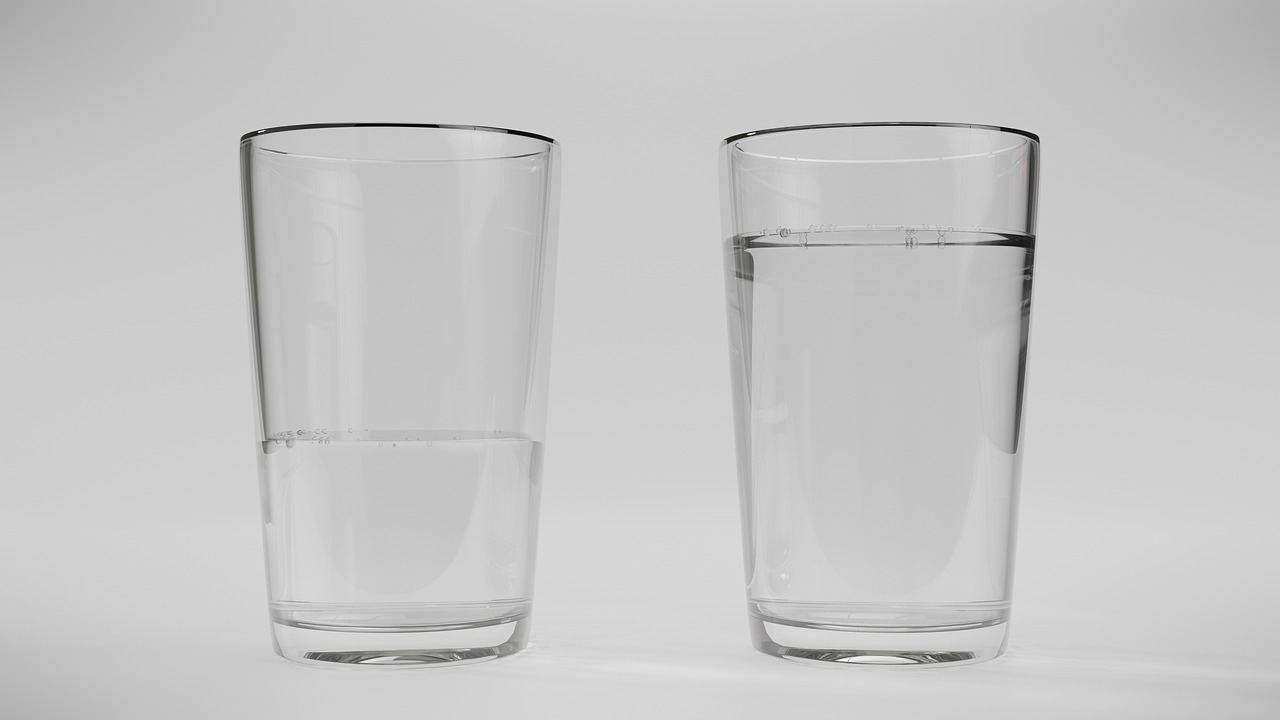
In low humidity environments, there is simply less moisture available in the air. Because of this, humectant-based formulas may not feel as long-lasting unless they are followed with products that help reduce water loss. That is one reason a serum can feel lovely at first, then oddly underwhelming by midday.
Without that added support, hydration can fade more quickly, which is why even the best hydrating serums for dry skin can feel like they stop working shortly after application. This does not mean hydrating serums are useless in dry climates – it just means they need a smarter routine around them.
For a deeper breakdown of this mechanism, see why hyaluronic acid fails.
Why hydration fades faster in dry air
- Low humidity means there is less water in the air for humectants to work with.
- Hydrating serums may feel less satisfying on their own if nothing helps seal that water into the skin.
- A moisturizer after serum often matters just as much as the serum itself.
- The goal is not only adding hydration – it’s helping it last.
What to look for in the best hydrating serums for dry skin
When choosing the best hydrating serums for dry skin, especially in dry climates, it helps to focus on how the formula behaves in a full routine rather than chasing hype or a single star ingredient. The texture, support ingredients, and how well it layers all matter more than many people expect.
Humectants
Ingredients like hyaluronic acid and glycerin help draw water into the skin. They can be very useful, but in low humidity they tend to work best when they are not left on their own without a follow-up moisturizer.
Barrier support
Panthenol, ceramides, centella, and similar soothing ingredients can help support moisture retention and reduce that tight, uncomfortable feeling. This is especially helpful when your skin is not only dry, but also sensitive or easily irritated.
Texture and layering
The best hydrating serums for dry skin are often the ones that absorb well, sit comfortably under moisturizer, and do not pill once the rest of your routine goes on. In real life, a beautiful texture often makes a product easier to use consistently, which matters more than a dramatic first impression.
If you want a deeper ingredient breakdown, see ingredients for dry climate skin.
Best hydrating serums for dry skin in low humidity
With that in mind, here are examples that align well with these criteria and tend to work comfortably in dry climates. The goal here is not to crown a single winner for everyone – it’s to match the texture and support level to what your skin is actually struggling with.
Torriden Dive-In Hyaluronic Acid Serum is a lightweight option designed to deliver hydration without heaviness. It layers easily and fits well into both simple and multi-step routines, which is part of why it feels so compatible with dry-climate skincare.
Vichy Minéral 89 is another minimal, easy-to-use formula that works well for everyday hydration. It absorbs quickly and can feel more elegant than thicker hyaluronic acid serums, which makes it a strong fit if you dislike tackier textures.
The Inkey List Hyaluronic Acid Serum and The Ordinary Hyaluronic Acid 2% + B5 also fit here. Both are straightforward options that make sense when you want a simple hydration step and already know that moisturizer is going on right after.
Examples that work well here: Torriden Dive-In Hyaluronic Acid Serum, Vichy Minéral 89, The Inkey List Hyaluronic Acid Serum, and The Ordinary Hyaluronic Acid 2% + B5 are all reasonable starting points when your main complaint is that skin feels dry again too quickly after cleansing.
La Roche-Posay Hyalu B5 Serum combines hydration with soothing support, making it a good fit when dryness is paired with sensitivity or a slightly compromised barrier. It makes more sense than a bare-bones hydration serum when your skin feels dry and delicate at the same time.
Beauty of Joseon Green Tea + Panthenol Serum offers a lighter, calming approach. It may not feel as rich as some hydration-focused formulas, but it can be a smart choice when you want your serum to feel soothing as well as hydrating.
Skin1004 Madagascar Centella Ampoule is another gentle option that focuses more on comfort and support than on a dramatic hydration-first feel. It works especially well when the skin barrier feels touchy and you want to keep the routine calm.
Heads-up: If your skin is both dry and reactive, the “strongest” hydrating serum is not always the one that feels best. Sometimes a gentler, more supportive formula gives better results simply because your skin can tolerate it more consistently.
COSRX Advanced Snail 96 Mucin Power Essence is not a traditional serum, but it works very well as a hydrating step that supports moisture retention. It layers easily, feels more cushioning than many classic HA serums, and fits naturally into routines that build hydration gradually.
This kind of layering-first approach is one reason K-beauty for dry skin often feels especially comfortable in low humidity. Instead of expecting one product to do everything, the routine spreads the work across a few lighter, more flexible steps.
You don’t need all of these. For most people, one well-matched hydrating serum or essence, layered properly, is enough.
How to use hydrating serums properly in dry climates
Even the best hydrating serums for dry skin depend on how they’re applied. A good formula can still feel underwhelming if it goes onto fully dry skin and then gets left there without anything to help hold hydration in.
In low humidity, small adjustments can make a noticeable difference. If you already use a hydrating serum and still feel unimpressed, this section is often where the real fix happens.
💡 Quick Pro Tip: If your serum pills easily, the problem is not always the formula itself. Try reducing the amount, applying it to slightly damp skin, and giving it a little time before moisturizer – too much product at once can make even a good routine feel messy.
How to apply hydrating serums in dry climates
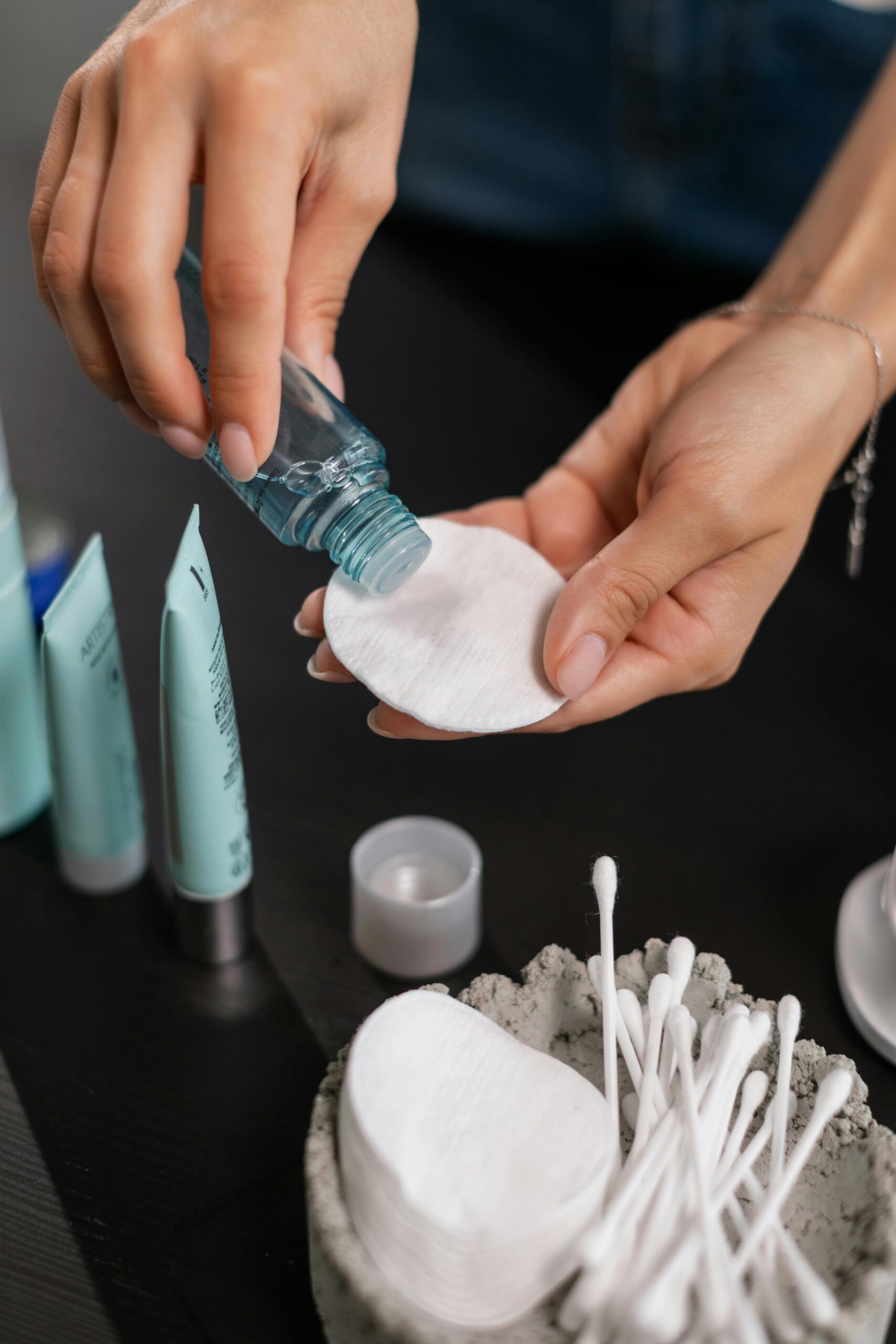
- Apply to slightly damp skin – this gives the hydrating step some water to work with and usually helps the routine feel more comfortable right away.
- Use one formula that matches your skin’s needs – a simple HA serum may be enough for straightforward dehydration, while a more supportive option may suit sensitive-feeling skin better.
- Seal it in with moisturizer – this is the step that helps reduce water loss and makes the hydrating layer feel more lasting.
If layering ever feels confusing or products start to pill, see layer skincare properly.
Morning vs evening – a dry-climate routine that holds up
The same hydrating serum can feel very different depending on when you use it and what follows it. Morning routines usually need to stay light and comfortable under sunscreen, while evening routines can be a little more supportive and layered.
A practical low-humidity routine
Think of morning as light hydration that sits well under the day, and evening as the place where you reinforce comfort, support the barrier, and help moisture last longer overnight.
☀️ Morning
Start with a gentle cleanse or rinse. If your skin already feels dry in the morning, a full cleanse is not always necessary. The goal is to avoid starting the day stripped.
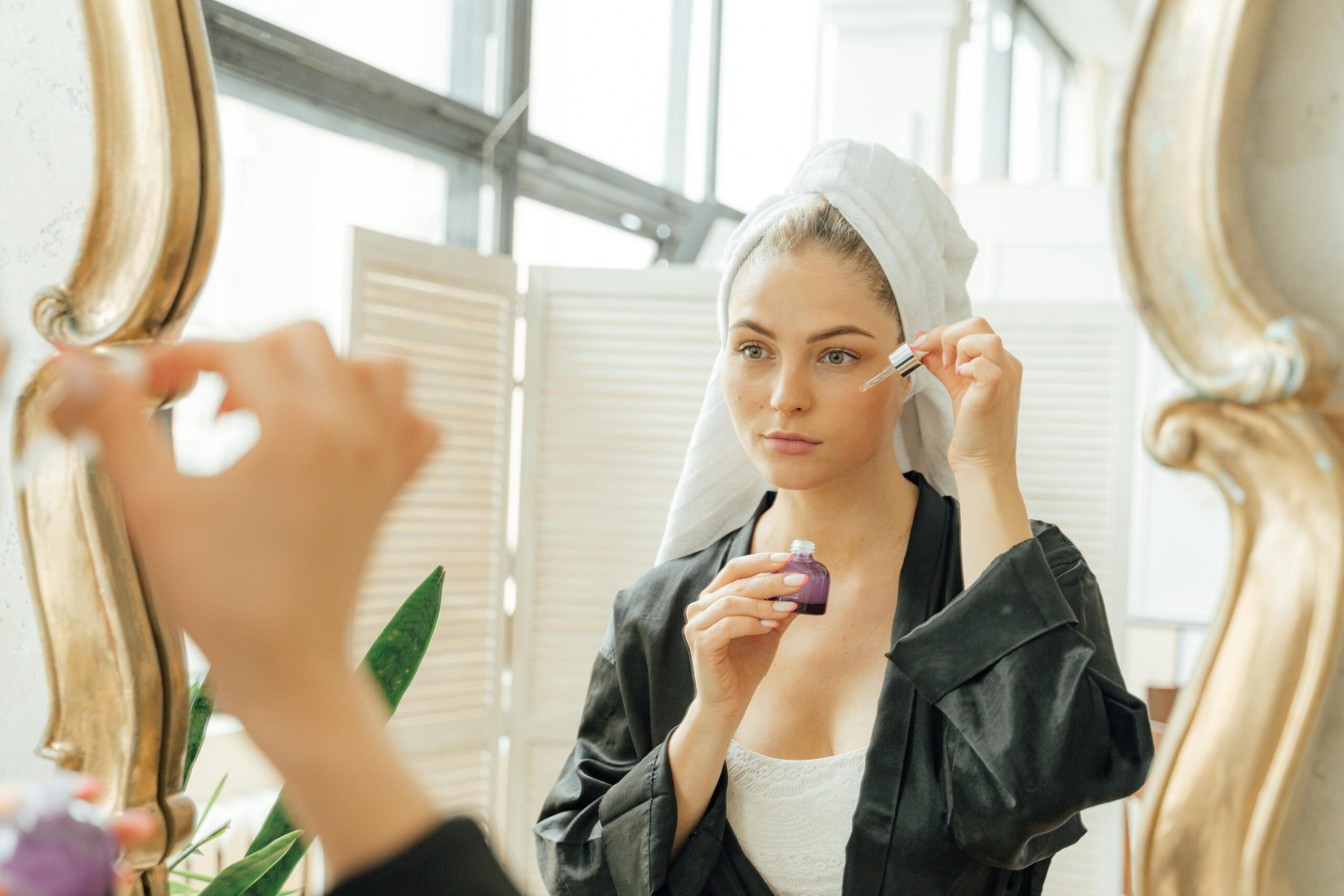
Apply one lightweight hydrating step to slightly damp skin. Options like Vichy Minéral 89, Torriden Dive-In Hyaluronic Acid Serum, or The Inkey List Hyaluronic Acid Serum make sense here because they layer easily and do not feel too heavy.
Follow with moisturizer. This is what helps the hydration feel more lasting instead of fading within a couple of hours. The texture can stay light as long as it still gives enough support for your environment.
Finish with sunscreen. If your SPF tends to feel drying, the layers underneath matter even more. A light but well-balanced base usually performs better than stacking too many hydrating steps first.
🌙 Evening
Cleanse gently and avoid over-cleansing. If the cleanser is too stripping, even the best hydrating serums for dry skin may not feel impressive afterward because the barrier has already been pushed too far.
Use a more supportive hydration step if needed. La Roche-Posay Hyalu B5 Serum, Beauty of Joseon Green Tea + Panthenol Serum, Skin1004 Madagascar Centella Ampoule, or COSRX Advanced Snail 96 Mucin Power Essence all make more sense at night if your skin feels stressed or depleted.
Seal with a moisturizer that suits the season. Evening is usually the easier place to use something a bit more supportive. This is often where hydration starts to feel more consistent from one day to the next.
Keep the routine calm when skin feels dry and reactive. This is not the moment to overload the skin with too many actives if the main problem is dehydration and barrier discomfort.
If you want a fuller routine framework, see winter skincare routine for dry skin and spring skincare routine dry climate.
Why hydration can still feel inconsistent
Even when using the best hydrating serums for dry skin, results can sometimes feel uneven. As mentioned earlier, hydration behaves differently in low humidity, so if the rest of the routine is not supporting it properly, the effects may not last the way you expect.
For example, if your cleanser is too stripping, if your moisturizer is too light for the season, or if your indoor air is extremely dry, hydration may still feel temporary. In that kind of situation, switching from one hydrating serum to another may not solve the real problem.
That’s why it can help to step back and look at the routine as a whole instead of assuming the serum itself is failing. If this sounds familiar, readers will usually benefit more from adjusting the routine around the serum than from adding more and more hydrating products.
For related reading, see why skin stays dry in spring, best moisturizer for extremely dry winter skin, and do humidifiers help with dry skin.
Frequently asked questions
Do hydrating serums work in dry climates?
Yes, but they usually work best when they are followed with a moisturizer that helps hold hydration in. In low humidity, a serum on its own may feel nice at first but less impressive later if nothing helps reduce water loss. That is why routine structure matters just as much as product choice.
Is hyaluronic acid bad for low humidity?
Not inherently. It is more accurate to say that hyaluronic acid may feel less effective in very dry air if it is used on its own or not layered properly. When it is applied to slightly damp skin and followed with moisturizer, it can still be a useful part of a dry-climate routine.
What if hyaluronic acid serums never seem to work for me?
That is a good sign to try a different kind of hydration step rather than forcing the same texture over and over. A formula like COSRX Advanced Snail 96 Mucin Power Essence may feel more cushioning, while Skin1004 Madagascar Centella Ampoule or Beauty of Joseon Green Tea + Panthenol Serum may feel better if dryness overlaps with sensitivity. Sometimes it is less about “stronger hydration” and more about choosing a formula your skin actually stays comfortable with.
Can I layer more than one hydrating serum?
You can, but most people do not need to. One well-chosen formula plus a moisturizer is often enough, especially if the serum already fits your skin’s needs and layers well. Adding too many similar hydrating products can sometimes make the routine feel heavier without improving results much.
Should I use a hydrating serum morning and night?
You can, as long as the formula sits well under the rest of your routine and your skin tolerates it comfortably. Some people prefer a lighter serum in the morning and a more supportive or soothing option at night. That kind of split often works better than trying to make one texture do everything.
What is the difference between a hydrating serum, ampoule, and essence?
In real routines, the lines often overlap. Serums usually sound more treatment-focused, essences often feel lighter and more layerable, and ampoules are sometimes positioned as concentrated support, but texture and purpose vary by brand. For this post, what matters most is not the label – it’s whether the formula hydrates comfortably, layers well, and makes sense for dry-climate skin.
Low humidity can make hydration feel harder than it should, but the right serum – paired with the right routine – can make dry skin feel far more manageable and consistent.
Keep Reading: Why hyaluronic acid fails · Ingredients for dry climate skin · Layer skincare properly · Korean skincare for dry climates · Occlusives vs humectants
📚 Sources & References
You Might Also Like
Do You Need Sunscreen on Cloudy Days? Real Answer

Why Nothing Works for My Dry Skin – The Real Fix That Helps
Which Serum Do You Actually Need? – The Glo Guide to Choosing Ingredients by Skin Type
Safe Exfoliation in Low Humidity: How to Protect Your Skin in Dry Climates
Best Cleanser for Dry Skin Cold Climate – Gentle Picks That Actually Work
Why My Skincare Routine Is Not Working: 5 Fixes That Help
Why Does My Skincare Sting? Dry Skin Causes and Fixes

Why Is My Skin Still Dry in Spring? Here’s the Real Fix
Why Your Skincare Suddenly Stops Working – And How to Fix It
Skincare in Dry Climates: How to Keep Your Skin Hydrated When the Air Isn’t Helping