
How to Layer Skincare for Dry Skin (Without Pilling or Dry Patches)
If you have been searching for how to layer skincare for dry skin and your routine still does not feel smooth, hydrated, or comfortable, you are not alone. A lot of dry skin routines look right on paper, but the texture, timing, and order are what decide whether the products actually settle well or just sit on top.
You know that feeling when your skin looks fine right after skincare, but then starts to feel tight again twenty minutes later? Or your moisturizer seems to hover on the surface, and the moment sunscreen or makeup goes on, everything begins to pill? In many cases, that is not just about the products themselves – it is about how the layers are working together.
For dry skin in low-humidity environments, the way you build a routine matters more than people think. Once the order, product weight, and spacing are right, a routine usually feels calmer, more reliable, and much easier to wear through the day.
Disclaimer: I’m not a dermatologist or medical professional – this post is based on research and personal experience. It may contain affiliate links that earn a small commission at no extra cost to you. The information here is for general informational purposes only and should not be taken as medical advice. Always seek the guidance of a qualified healthcare professional before adding new supplements, tonics, or making changes to your diet, skincare, or lifestyle routine.
Why How to Layer Skincare for Dry Skin Matters
Dry skin is not only about needing richer products. It is also about getting hydration into the skin first, then helping it stay there with the right finishing layers. That sounds simple, but it is exactly where many routines go off track.
Most hydrating steps are water-based, so they usually perform best earlier in the routine. Heavier creams, facial oils, or thick occlusive layers applied too soon can make it harder for lighter formulas to settle properly. When that happens, the whole routine can feel less effective even if each product is good on its own.
In a dry climate, this matters even more. When the air around you is dry, your skin loses water more easily, which means order and texture become part of the routine itself – not just a detail. That is why skincare layering order for dry skin can make such a visible difference in comfort and finish.
💡 Quick Pro Tip: If a routine feels heavy but your skin still ends up tight later, the problem is often not that you need more product – it is that hydration is being sealed in too late, or not layered in properly to begin with. Adjusting the order can change how the exact same routine performs without adding anything new.
If this is still sounding a little abstract, occlusives vs humectants explains why some routines feel comfortable for an hour and then suddenly leave skin dry again.
How to Layer Skincare for Dry Skin – The Correct Order
A simple way to approach how to layer skincare for dry skin is to think in two steps: start with the lightest, most water-based layers, then move toward the products that help reduce moisture loss. This is the easiest version of skincare routine order for dry skin that still makes practical sense day to day.
1. Cleanser
Start with a gentle cleanser that does not leave your skin feeling stripped. If your face already feels tight within a minute of washing, the rest of the routine has to work harder just to bring the skin back to neutral.
You know that clean-but-uncomfortable feeling right after rinsing? That is often the point where dry skin routines start losing balance. A cleanser like CeraVe Hydrating Cleanser, Vanicream Gentle Facial Cleanser, or Krave Beauty Matcha Hemp Hydrating Cleanser makes more sense here than something foamy and overly clarifying.
- Examples that work well: CeraVe Hydrating Cleanser, Vanicream Gentle Facial Cleanser
Need help choosing this first step? Best cleanser for dry winter skin breaks down what to look for.
2. Toner or Essence – First Hydration Layer
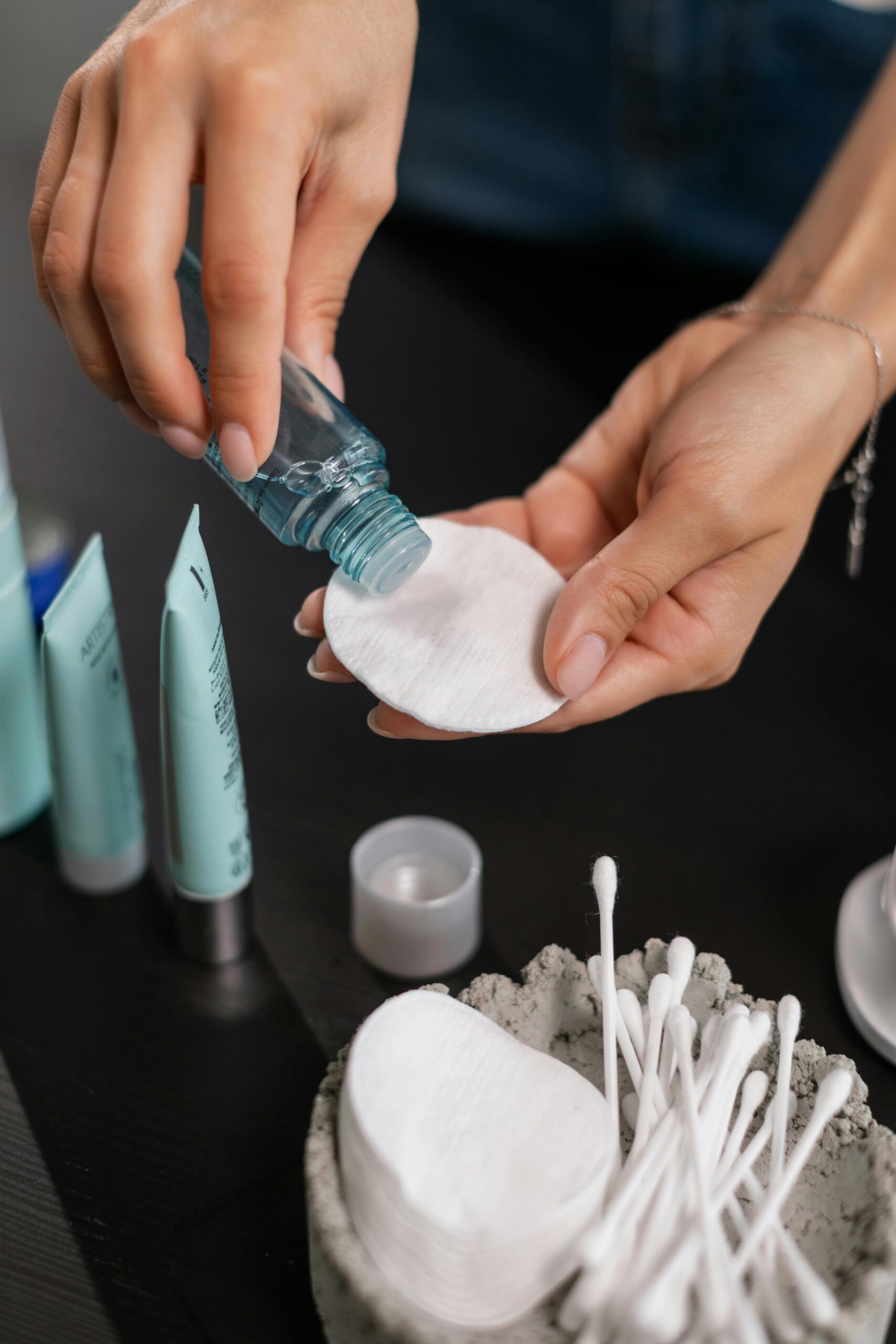
This is where hydration begins. A toner or essence gives the skin a first drink of water right after cleansing and creates a better surface for the next layers to spread and settle more evenly.
If your skincare often feels like it is just sitting there, this step is one of the first things worth fixing. Laneige Cream Skin Toner, Isntree Hyaluronic Acid Toner, or Pyunkang Yul Essence Toner all fit naturally in this part of a dry-skin routine.
3. Hydrating Serum
This is where hydration starts to build rather than just lightly refresh. For dry skin, serums usually work best when they go onto slightly damp skin and are followed fairly soon with moisturizer so that hydration is not left exposed for too long.
If your routine tends to feel good for five minutes and then somehow disappears, this is often the layer that needs better support. Torriden Dive-In Hyaluronic Acid Serum and Skin1004 Madagascar Centella Ampoule both make sense here because they add hydration without making the routine feel overly crowded.
If you want the dry-climate science behind this, why hyaluronic acid fails in dry climates goes deeper into why humectants can feel different in very dry air.
A Simple Texture Guide
When people say to apply from thinnest to thickest, this is what that usually means in real life.
- Watery – toner or essence
- Lightweight – hydrating serum or ampoule
- Creamy – moisturizer or barrier cream
- Oily – final sealing layer, if needed
Why this matters
Texture is often what makes a routine feel elegant or frustrating. Two good products can still pill together if they are both heavy, film-forming, or applied too quickly one on top of the other.
Learning to notice texture weight helps more than memorizing rules. Once you can tell whether something is watery, cushiony, creamy, or oily, how to layer skincare for dry skin starts to feel much more intuitive.
4. Treatment Serum – Optional
This step is optional, and for dry skin it usually works better when it stays simple. If your skin is already dry or reactive, this is not the part of the routine to overload with multiple strong actives.
A calming option like Beauty of Joseon Green Tea + Panthenol Serum fits more naturally here than something harsh or overly exfoliating. It gives you a treatment-style step without shifting the whole routine away from hydration and barrier support.
If you are unsure whether you even need this layer, which serum do I need can help narrow that down.
5. Moisturizer – The Layer That Helps Hold Everything Together
Moisturizer is where the routine starts to feel finished. This layer helps reduce water loss and gives the earlier hydration steps something to stay under, which is why it matters so much in a dry climate.
If your moisturizer feels like it is just sitting on the surface, it does not automatically mean the moisturizer is wrong. Sometimes the layers underneath have not had enough time to settle, or the texture order is slightly off. But choosing a moisturizer that matches the weight of the rest of your routine still matters.
For lighter layering, CeraVe PM Facial Moisturizing Lotion and Etude SoonJung 10-Free Moist Emulsion are good fits. For a richer sealing step, Aestura Atobarrier 365 Cream or Illiyoon Ceramide Ato Concentrate Cream make more sense.
Heads-up: If your skin is dry but your routine pills easily, jumping straight to the thickest cream is not always the answer. In some cases, a lighter lotion layered over properly hydrated skin sits better than a very rich cream placed on top of half-absorbed serums.
If you are debating texture more than ingredients, lightweight moisturizers for dry skin Canada and heavy creams in spring are the most useful next reads.
6. Facial Oil – Optional, Usually Better at Night
Facial oils help seal in moisture, but they do not replace hydration underneath. That is why they usually make more sense after moisturizer rather than before it.
If oil goes on too early, the routine can start to feel less balanced and harder to layer smoothly. A simple option like The Ordinary 100% Plant Derived Squalane works well when you want a light sealing step without turning the whole routine greasy.
7. SPF – Always the Last Step in the Morning
Sunscreen sits on top of the rest of your morning routine, so it needs a base that has already settled. If the layers underneath are too heavy or still shifting around, SPF is often the step where pilling finally shows up.
For dry skin, the nicest options are usually the ones that feel hydrating without becoming greasy. Beauty of Joseon Relief Sun SPF 50, Skin1004 Hyalu-Cica Water-Fit Sun Serum SPF50+, and La Roche-Posay Toleriane Sensitive UV Face Cream SPF 30 all fit naturally in a routine built around hydration.
If SPF is always the step that feels drying, winter sunscreen for dry skin explains why that happens.
Why Your Skincare Is Not Working – Pilling + Dry Patches
When a routine pills, flakes, or somehow leaves the skin both coated and dry at the same time, that usually points to a layering issue rather than one single bad product. This is where how to layer skincare without pilling becomes just as important as which products you use.
Pilling
Pilling usually comes from buildup or friction at the surface of the skin. It is common when too many layers are applied quickly, or when several heavier textures are stacked without enough time between them.
- Too many layers at once
- Not enough time between steps
- Rubbing instead of pressing
- Film-forming textures stacked together
Dry patches
Dry patches can still show up even when the routine looks rich on paper. That usually means hydration was not built well enough underneath, or the barrier needs more support than the routine is currently giving it.
- Not enough hydration layers
- Sealing too early
- Barrier still under-supported
- Very dry indoor air
Everything looks smooth for a moment, but the products have not really settled yet.
The routine starts to feel heavy, especially once moisturizer or SPF is added on top.
Because hydration was not built properly underneath, the finish looks coated but does not feel comfortable for long.
You know that moment when everything seems fine until you lightly touch your cheek and the whole routine starts rolling? That is usually the clearest sign that timing and texture are part of the problem. If dryness keeps returning no matter how much product you apply, that is often a barrier-support issue too.
If that sounds familiar, skin barrier repair, why skin is still dry in spring, and why skincare is not working in winter are the most useful next reads.
What helps pilling the most
For most people, the biggest improvements come from smaller amounts, slightly longer spacing between steps, and less rubbing. Pressing products in gently instead of massaging every layer can make a bigger difference than expected.
If your morning routine still feels dry indoors even after fixing the order, room humidity may be part of the problem too. A humidifier like the Dreo Smart Cool-Mist 4 L can help support the environment your skin is sitting in, especially overnight or in heated spaces.
How Long to Wait Between Layers
Timing is one of the quietest but most practical parts of how to layer skincare for dry skin. If layers are applied too quickly, they can start mixing together on the surface instead of settling one by one, which increases the chance of pilling later.
💡 Quick Pro Tip: A good rule of thumb is to wait around 30 to 60 seconds between most leave-on steps, or simply until the previous layer feels lightly settled instead of wet. It does not need to be exact – the goal is just to give each formula enough time to sit before the next one goes on.
That pause does not need to make the routine feel slow or fussy. It is simply the difference between layering products and piling them on. For dry skin, especially when you are using toner, serum, moisturizer, and SPF in the same routine, that little bit of spacing often improves both comfort and finish.
Morning vs Evening – A Dry-Skin Routine That Layers Well
🌤 Morning – Lightweight and stable
Morning layering is about keeping hydration in while making sure everything sits smoothly under sunscreen and makeup. This is where lighter textures usually perform better.
- Cleanse lightly – rinse or use a gentle cleanser
- Hydration layer – toner like Laneige Cream Skin
- Serum – Torriden Dive-In or similar
- Moisturizer – lighter lotion like CeraVe PM
- SPF – Beauty of Joseon or Skin1004
You know when your morning routine feels fine until sunscreen goes on and everything starts shifting? That is usually a sign the layers underneath were either too heavy or not fully settled yet.
🌙 Evening – Repair and seal
Evening routines can be slightly richer because there is no need to layer under SPF or makeup. This is where you can take more time and let each step settle properly.
- Cleanse fully – gentle but thorough
- Hydration layer – toner or essence
- Serum – Skin1004 ampoule or similar
- Moisturizer – Aestura or Illiyoon
- Optional oil – squalane to seal
This is usually where routines start to feel calmer and more comfortable. If your skin still feels dry at night, it is often not about adding more steps, but making sure hydration is actually built properly before sealing it in.
When you look at both routines side by side, the structure is almost the same. The difference is mainly in texture and weight. That is why understanding how to layer skincare for dry skin is less about memorizing steps and more about adjusting how those steps feel.
Common Mistakes When Learning How to Layer Skincare for Dry Skin
Even a well-built routine can feel off if a few small details are working against it. These are the patterns that tend to show up most often with dry skin layering.
- Applying oil before hydration – this can make it harder for lighter layers to settle properly.
- Using too many products at once – more layers do not always mean more hydration.
- Rushing through steps – timing affects how each layer sits on the skin.
- Stacking heavy textures too early – this can lead to both pilling and dryness.
- Ignoring the environment – very dry indoor air can affect how your routine feels.
You know that feeling when your routine looks like it should be hydrating, but still somehow feels off? That is usually one of these small details rather than something major.
Frequently Asked Questions
What is the correct order for how to layer skincare for dry skin?
The general order is from thinnest to thickest – starting with cleanser, then toner, serum, moisturizer, and finishing with oil or SPF depending on the time of day. This allows lighter hydration layers to absorb before heavier products help seal them in.
In practice, the exact products matter less than the texture order. Once you understand how to layer skincare for dry skin in this way, routines tend to feel more balanced and less heavy.
How long should you wait between skincare steps?
About 30 to 60 seconds is usually enough, or until the previous layer feels lightly settled instead of wet. This helps reduce the chance of products mixing on the surface and causing pilling.
You do not need to time it exactly. A brief pause between layers is enough to make the routine feel smoother and more consistent.
Why does skincare pill under makeup?
Pilling usually happens when too many layers are applied too quickly, or when heavier textures are stacked together without enough time to settle. Friction from rubbing products in can also contribute.
If your skincare pills under makeup, adjusting the order, using thinner layers, and allowing more time between steps often helps more than switching products.
Can you skip toner if you have dry skin?
Toner is optional, but for dry skin it can make a noticeable difference in how well the rest of the routine absorbs. It adds an initial layer of hydration that helps serums spread more evenly.
If your routine feels like it sits on the surface, adding a hydrating toner is often one of the simplest adjustments to try.
Can hyaluronic acid and niacinamide be layered together?
Yes, these two ingredients can be used in the same routine. Hyaluronic acid is typically applied first to support hydration, followed by niacinamide as a treatment step.
The key is still the order and timing. When layered properly, they tend to work well together without causing heaviness or pilling.
Once the order, texture, and timing of your routine start to make sense, your skin usually responds quickly – not because you added more, but because everything you were already using finally has a chance to work together.
Keep Reading: Occlusives vs humectants · Skin barrier repair · Why hyaluronic acid fails in dry climates
📚 Sources & References
- American Academy of Dermatology – Skin care routine basics
- Cleveland Clinic – Proper skin care product order
- Journal of Clinical and Aesthetic Dermatology – Moisturizers and barrier function
- International Journal of Cosmetic Science – Role of moisturizers in skin barrier repair
- Experimental Dermatology – Skin barrier function and hydration
You Might Also Like
How to Fix Dry Skin After Over-Exfoliating – Fast Repair
K-Beauty Moisturizers for Dry Skin: Top Picks for Deep, Lasting Hydration
Skincare in Dry Climates: How to Keep Your Skin Hydrated When the Air Isn’t Helping

Best Hydrating Toner for Dry Skin in Low Humidity
Hydration Mist for Dry Skin – Fix Midday Tightness
Why Does My Makeup Look Patchy on Dry Skin? The Real Fix

Best Humidifiers for Dry Skin – Cool-Mist Picks, Placement & Water Tips

Why My Skincare Routine Is Not Working: 5 Fixes That Help
Simple Skincare Routine for Dry Skin That Actually Works
Why Does My Skin Get Dry During the Day? What’s Actually Causing It