
If your skin suddenly feels tight, flaky, or irritated every winter, it’s not just your imagination. When indoor heating turns on, humidity levels drop sharply – and that shift can quietly undo even a well-built routine.
It’s no surprise that the same question comes up every year: do humidifiers help with dry skin, or are they just another seasonal suggestion that doesn’t actually change much?
The short answer is yes – but only in the right conditions. To understand when humidifiers help dry skin (and when they don’t), it helps to look at what dry indoor air does to the skin barrier, how dermatologists think about humidity, and how environment and skincare work together.
Disclaimer: I’m not a dermatologist or medical professional – this post is based on research and personal experience. It may contain affiliate links that earn a small commission at no extra cost to you. The information here is for general informational purposes only and should not be taken as medical advice. Always seek the guidance of a qualified healthcare professional before making changes to your skincare, lifestyle, or health routine.
In this guide:
Why Dry Indoor Air Makes Skin Worse
You know that feeling when you apply moisturizer, yet your skin still feels tight not long after? That’s often a sign that the surrounding air is pulling moisture out faster than your skin can hold onto it.
During colder months, indoor heating significantly lowers relative humidity. In many homes, levels drop well below 30 percent. At that point, the skin loses water more quickly through transepidermal water loss (TEWL), making it harder for the skin barrier to stay balanced.
As TEWL increases, skin may become rough, flaky, or more sensitive. This is also why eczema and chronic dryness often worsen in winter, even when products haven’t changed.
💡 Quick Pro Tip: If your moisturizer seems to “disappear” quickly in winter, it’s often a sign of low indoor humidity rather than weak hydration. Supporting the air around your skin can make the same products work noticeably better.
How Humidity Affects Skin Hydration
Humidity doesn’t hydrate the skin directly, but it plays a major role in how well skin retains moisture.
In dry air, water evaporates more quickly from the skin’s surface. In healthier humidity levels, evaporation slows, allowing the skin barrier to function more effectively and hold onto hydration.
Most dermatologists recommend keeping indoor humidity around 40–50 percent. Within this range, skin tends to feel calmer, less reactive, and more resilient – which explains why skin often feels better in humid climates even without changing skincare.
If you’re still deciding whether adding a humidifier is actually worth it, this guide to the best humidifiers for dry skin breaks down which features matter most in dry climates and heated homes.
Do Humidifiers Help With Dry Skin in Winter?
For many people, yes – especially when dryness is driven by the environment. In winter, indoor heating creates consistently dry air, which is exactly where humidifiers help dry skin the most.
Overnight humidity supports skin repair during sleep.
Low outdoor humidity makes indoor air even harsher.
Forced air and radiators rapidly reduce moisture.
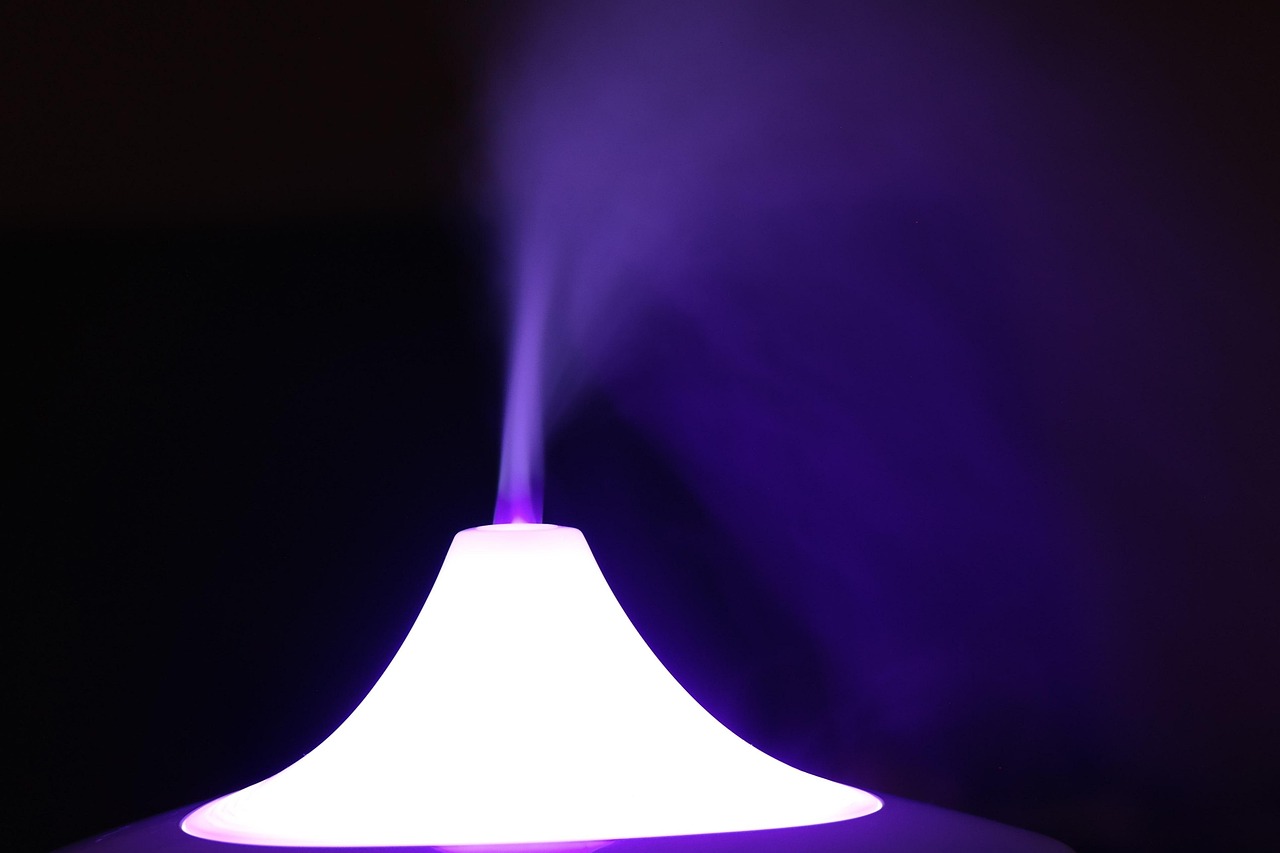
Reliable, quiet humidifiers that work well for dry skin include options like Dreo Smart Cool-Mist 4 L, Dreo Compact Cool-Mist, or larger-capacity models like the Dreo 6 L Class Humidifier for open layouts.
For a deeper guide on choosing the right model, placement, and water type, see best humidifiers for dry skin.
When a Humidifier Won’t Fix Dry Skin
While humidifiers help dry skin in many situations, they aren’t a cure-all. If the skin barrier is already compromised, humidity alone won’t undo ongoing irritation.
When a humidifier helps:
Dry indoor air · Winter heating · Tightness despite moisturizing · Barrier-focused routines
When it won’t be enough:
Over-exfoliation · Harsh cleansers · Active irritation · Poor humidifier maintenance
This is why gentle exfoliation matters so much in winter. Overdoing acids or scrubs can override the benefits of added humidity – something explored in safe exfoliation in low humidity.
This is also where choosing the right model makes a difference. Room size, humidity control, and maintenance all affect results – details covered more fully in the best humidifiers for dry skin guide.
Do You Still Need Skincare If You Use a Humidifier?
Yes. Humidifiers reduce moisture loss, while skincare adds hydration and reinforces the barrier. The best results come from using both together.
🫧 Gentle cleansing
Non-stripping cleansers help protect the barrier. Options like COSRX Low pH Good Morning Cleanser or Krave Beauty Matcha Hemp Hydrating Cleanser cleanse without disrupting moisture balance.
💧 Hydrating layers
Hydrating toners work better when the air isn’t pulling moisture away. Laneige Cream Skin Toner provides ceramides and lightweight hydration, while Round Lab Birch Juice Toner suits Korean skincare in dry climates.
🧴 Barrier-supportive moisturizers
Moisturizers become noticeably more effective with proper humidity. Creams like Aestura Atobarrier 365 Cream, Illiyoon Ceramide Ato Concentrate Cream, or Dr. Jart+ Ceramidin Cream help reduce TEWL.
☀️ Daily sunscreen
Dry air can make SPF feel uncomfortable. Hydrating formulas like Beauty of Joseon Relief Sun or Round Lab Birch Juice Sun Cream are easier to wear indoors and out.
For a full routine, see winter skincare routine for dry skin.
How Long Does It Take to See Results From a Humidifier?
Many people notice reduced tightness or irritation within a few days once indoor humidity stabilizes. Improvements in barrier function usually take longer and depend on consistent use.
Room size, climate, and skincare routine all influence results, so experiences vary.
FAQs About Humidifiers and Dry Skin
Do humidifiers help dry skin on the face?
Yes. Facial skin is thinner and more exposed, so it often benefits quickly when indoor humidity is stabilized. Humidifiers help reduce moisture loss, especially overnight.
Can a humidifier replace moisturizer?
No. A humidifier doesn’t add moisture to the skin – it simply slows water loss. Moisturizers are still needed to hydrate and protect the barrier.
Is too much humidity bad for skin?
Yes. Consistently high humidity above 60 percent can increase congestion, mold, and irritation. Most dermatologists recommend staying within the 40–50 percent range.
Should you use a humidifier all night?
For most people, yes. Overnight use supports skin repair and helps counter prolonged exposure to dry indoor air.
Keep Reading: Skincare in Dry Climates · Skin Barrier Repair · K-Beauty Moisturizers for Dry Skin · Winter Skincare Routine
When the air supports your skin, your routine finally gets the chance to do its job.
📚 Sources & References
- American Academy of Dermatology – Dry skin care
- National Library of Medicine – Transepidermal water loss
- Cleveland Clinic – Using humidifiers safely
- National Eczema Association – Cold Weather and eczema
You Might Also Like
Why Does My Skin Get Dry During the Day? What’s Actually Causing It

Skin Feels Tight After Cleansing? Why It Happens + Fix

How to Fix Dry Skin After Using Retinol – Fast Relief
Best Face Oils for Dry Skin in Cold Climates That Actually Work
How to Choose the Best Cleanser for Dry Winter Skin (Without Stripping Your Barrier)
Why Does My Makeup Look Patchy on Dry Skin? The Real Fix

Why Is My Skin Still Dry in Spring? Here’s the Real Fix
Why Your Moisturizer Isn’t Working for Dry Skin – The Real Fix
Why Does My Skin Look Dull but Hydrated? What You’re Missing

Spring Skincare Routine Dry Climate: How to Transition Without Damaging Your Skin Barrier