

Why Nothing Works for My Dry Skin (And How to Finally Fix It)
If you’ve been searching why nothing works for my dry skin, it usually means you’ve already tried a lot.
Thicker creams. More layers. Switching products. Adjusting your routine. And yet somehow, your skin still feels dry, tight, or uncomfortable a few hours later.
You know that feeling when your skin looks fine right after your routine, but by mid-day it is like everything has worn off? That experience is more common than it seems. And it is usually not because you are doing something wrong. It is because your skin is not holding onto hydration the way it should.
Disclaimer: I’m not a dermatologist or medical professional – this post is based on research and personal experience. It may contain affiliate links that earn a small commission at no extra cost to you. The information here is for general informational purposes only and should not be taken as medical advice. Always seek the guidance of a qualified healthcare professional before adding new supplements, tonics, or making changes to your diet, skincare, or lifestyle routine.
Why Nothing Works for My Dry Skin – The Real Reason
When nothing seems to work, the issue is rarely that your skin needs more products. Instead, it often comes down to this – your skin is losing moisture faster than it can retain it.
This process is known as transepidermal water loss (TEWL), where water gradually escapes through the skin throughout the day. So even if your routine adds hydration, your skin may still feel dry later, especially in low humidity or heated indoor spaces.
💡 Quick Pro Tip: If your skin feels soft right after skincare but noticeably worse a few hours later, stop judging your routine only by how it feels in the first ten minutes. The better test is whether your skin still feels comfortable later in the day without needing rescue layers.
Your toner, lotion, or serum brings water into the skin. This is why your face can feel fresh and comfortable immediately after your routine.
If the barrier is under-supported or the next layer is too light for your climate, that hydration does not stay where you need it for very long.
Indoor heat, low humidity, air conditioning, and time all gradually increase that dry, tight feeling again.
Why moisturizing alone doesn’t fix it
This is where a lot of routines fall short. Moisturizing helps soften the skin and improve comfort, but it does not always address how quickly moisture is being lost.
So even if you are using a good moisturizer, your skin can still lose hydration through the day and make products feel like they stop working. This is often why it feels like your moisturizer isn’t working even when the product itself is not the real problem.
What tends to work better is a routine where hydration and barrier support are clearly paired. A simple example would be Laneige Cream Skin Toner or Hada Labo Gokujyun Premium Lotion followed by Aestura Atobarrier 365 Cream or Vanicream Daily Facial Moisturizer.
Signs This Is What’s Happening to Your Skin
At this point, you might be wondering if this pattern actually applies to you. Some of the clearest signs are not dramatic – they are the small frustrations that keep repeating.
If several of these sound familiar, the issue usually points back to moisture retention – not just a lack of hydration alone.
The 4 Real Reasons Nothing Works for Your Dry Skin
Now that the pattern is clearer, here are the deeper reasons behind it. These are the things that usually make dry skin feel stubborn, inconsistent, and harder to calm than it should be.
Your skin barrier isn’t fully supported
Your skin barrier helps slow down moisture loss and keep your skin balanced. When it is not functioning optimally, water escapes more easily, dryness returns faster, and your routine feels less effective.
This does not always show up as obvious irritation. Sometimes it just feels like your skin is never fully comfortable. This often connects back to skin barrier repair.
Your routine isn’t structured to retain moisture
Hydrating products bring water into the skin, but without something to help keep that hydration in place, it can be lost quickly – especially in dry air.
So even if your routine includes hydrating toners, serums, and lightweight creams, it can still feel like nothing works for your dry skin. The issue is not always the products themselves. It is how they are working together.
Your environment increases water loss
Dry air has a direct impact on how your skin behaves. In low humidity environments, moisture leaves the skin more quickly, hydration becomes harder to maintain, and your routine has to work harder to keep up.
This is why approaches like humidifiers for dry skin can support your routine more than expected. For this part of the conversation, Dreo Smart Cool-Mist 4 L is the most natural fit, while Dreo compact cool-mist and Dreo 6 L work as smaller-room and larger-room options.
Your routine may be interfering with your skin
Sometimes dryness continues because something in your routine is disrupting your skin’s balance. This can include over-exfoliation, frequent use of strong actives, or cleansing that strips the skin.
You might not notice it directly. It can just feel like your routine works for a while, then stops working. If your skin ever feels reactive or uncomfortable, it often relates to skincare stinging.
Hydration vs Moisture Retention – Why This Feels So Confusing
This is one of the most important distinctions in the whole post. It is also the reason so many people feel like nothing works for their dry skin even when they are using hydrating products.
Hydration
Hydration is about bringing water into the skin. Think of steps like Laneige Cream Skin Toner, Hada Labo Gokujyun Premium Lotion, or a simple hyaluronic acid serum.
These can make skin feel smoother quickly, but on their own they do not always give lasting comfort.
Moisture retention
Moisture retention is about helping that hydration stay in place. This is where barrier-supportive creams and, in some cases, a light sealing step matter more.
Examples that fit this post well include Aestura Atobarrier 365 Cream, Illiyoon Ceramide Ato Concentrate Cream, and Vanicream Daily Facial Moisturizer.
If your routine leans heavily toward hydration but not enough toward moisture retention, your skin can look fine right after skincare and still feel dry later. That is also why occlusives vs humectants is such a useful next read if you want to go deeper.
Why Most Dry Skin Advice Doesn’t Work
A lot of advice focuses on adding more – thicker creams, more hydration, more products. But dry skin is not just about adding moisture.
It is about slowing down moisture loss, supporting your barrier, and adjusting for your environment. Without those pieces, even well-formulated products can feel inconsistent.
You know that feeling when a product seems amazing for three days, then suddenly your skin feels exactly the same again? That is often a sign the routine is helping temporarily, but not actually solving the deeper issue.
💡 Quick Pro Tip: Before replacing your whole routine, try asking a simpler question – is my skin actually under-moisturized, or is it just losing comfort too quickly? That one shift in thinking often changes which products are truly worth keeping.
How to Fix Dry Skin That Won’t Improve
Instead of adding more, it usually helps to adjust how your routine works as a system. This is where things start to feel more manageable.
Simplify your routine
Start with a gentle cleanser, one hydrating step, and one moisturizer. This helps reduce interference and gives your skin a chance to stabilize.
For a reset phase, a routine built around Vanicream Gentle Facial Cleanser, Laneige Cream Skin Toner or Hada Labo Gokujyun Premium Lotion, and Aestura Atobarrier 365 Cream makes much more sense than a crowded lineup.
Layer with intention
A simple structure works best – hydration, then moisture, then an optional seal only if you need it. This helps your skin hold onto hydration more effectively without making the routine feel heavy.
If layering has been unclear, this connects naturally with how to layer skincare.
Support your barrier consistently
Look for ingredients that help your skin retain moisture – ceramides, fatty acids, and soothing components. This is where formulas like Illiyoon Ceramide Ato Concentrate Cream, Aestura Atobarrier 365 Cream, and Curél Intensive Moisture Facial Cream fit naturally.
If you want a lighter daytime option, Vanicream Daily Facial Moisturizer is another strong fit.
Adjust what is around your skin
If your air is dry, your routine has to compensate. Adding humidity can slow down water loss, support your barrier, and improve how your products perform.
This does not replace skincare, but it can make a good routine feel much more effective and stable.
Give your skin time to stabilize
You may start to notice less tightness, more consistent hydration, and fewer day-to-day swings before you notice anything dramatic. That is normal.
Barrier support and moisture retention usually improve gradually, not all at once.
What to Adjust in Your Routine
This post does not need a full morning-versus-night routine to be helpful. What it does need is a clear sense of what to change if your current routine keeps falling short.
In practice, that usually means:
- switching to a gentler cleanser like CeraVe Hydrating Cleanser or Vanicream Gentle Facial Cleanser
- using one reliable hydrating layer instead of several overlapping ones
- choosing a more supportive moisturizer, especially if your current one disappears too fast
- adding a light sealing step only where it is genuinely needed
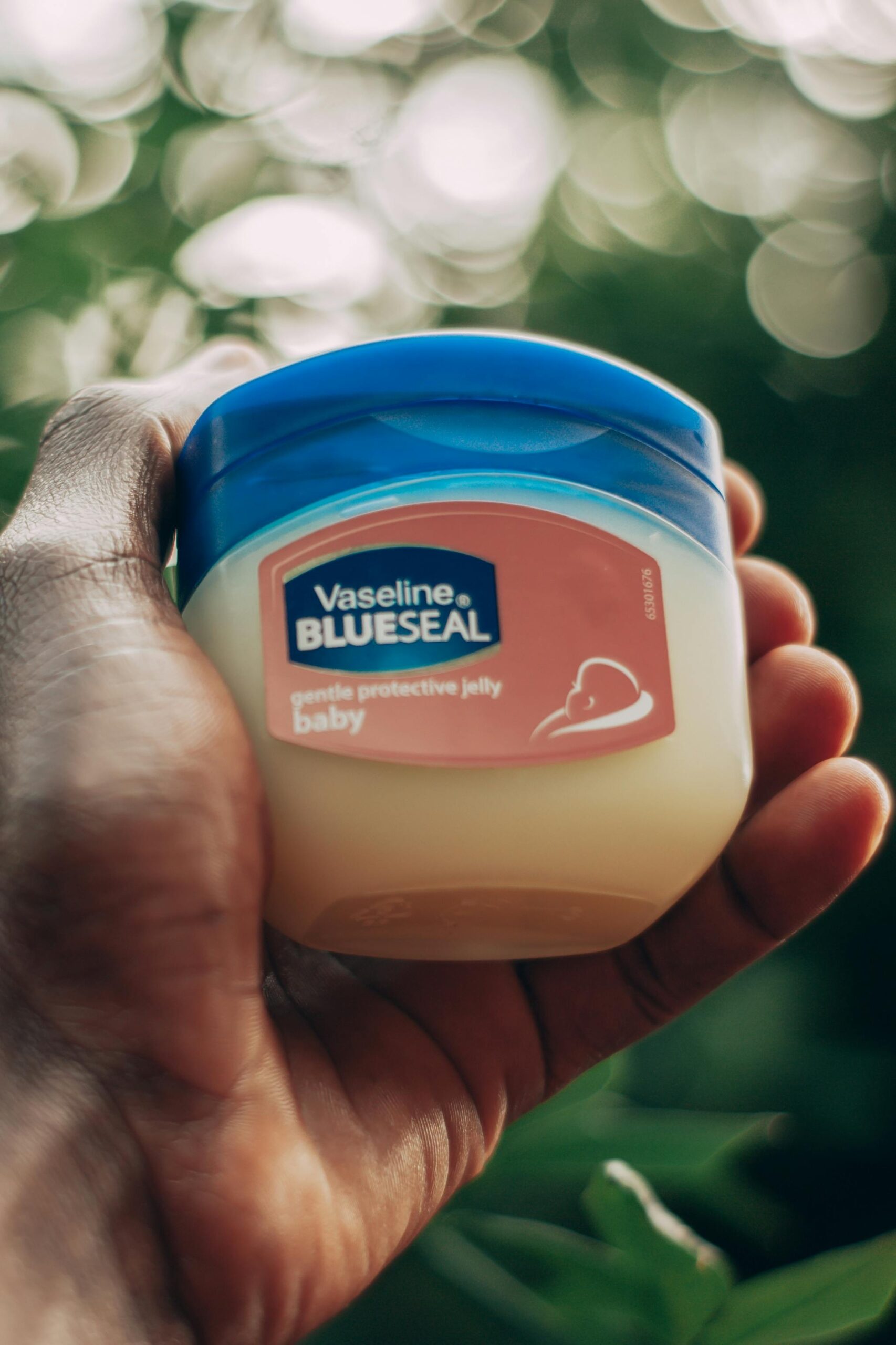
If very dry spots still feel exposed, a small amount of Aquaphor Healing Ointment or Vaseline can make sense as a targeted final step rather than an all-over daily layer.
If sunscreen is part of where your skin starts feeling worse, it can also help to choose a formula that layers more comfortably over dry-skin prep. For this type of post, Beauty of Joseon Relief Sun SPF 50 and EltaMD UV Daily Broad Spectrum SPF 40 are both more natural fits than a very dry-touch sunscreen.
How to Tell Your Skin Is Finally Improving
You will usually start to notice the change in smaller ways first.
- your skin feels comfortable longer through the day
- dryness is less reactive and less unpredictable
- products seem to last longer on your skin
- you stop thinking about your skin every few hours
It is not about perfection. It is about your skin feeling stable again.
Quick Summary
If you have been wondering why nothing works for my dry skin, it usually comes down to this:
- your skin is losing moisture faster than it can retain it
- your barrier needs more support
- your environment is increasing water loss
When those pieces are addressed, your routine starts to work more consistently – and your skin usually feels more predictable, less frustrated, and easier to care for.
Frequently Asked Questions
Why nothing works for my dry skin even after moisturizing?
Because moisturizing alone does not always prevent moisture loss. Your skin may still be losing water throughout the day due to barrier or environmental factors, even if the product feels good right after application.
This is one reason a routine can seem promising at first and then feel disappointing a few hours later. The issue is often not that the moisturizer is bad – it is that the skin needs more support to hold comfort in place.
Why does my skin get dry again during the day?
Water gradually leaves the skin over time, especially in low humidity or heated indoor environments. That can make hydration feel temporary, even when your routine looked fine in the morning.
If this happens regularly, it usually points back to moisture retention rather than a total lack of products. This is why climate and barrier support matter so much in dry-skin routines.
Do I need stronger products to fix stubborn dry skin?
Not usually. A simpler, more supportive routine often works better than adding stronger or more active products.
In many cases, stronger steps make dry skin harder to calm because they can increase irritation or interfere with barrier recovery. Stability usually matters more than intensity here.
Can climate really affect my skin this much?
Yes – low humidity and heated indoor air can significantly increase how quickly your skin loses moisture. That is one reason the same products can feel fine in one setting and not enough in another.
If your skin is noticeably worse in winter, in heated rooms, or in dry environments, your climate is probably part of the pattern. That is also why humidifiers can sometimes make a meaningful difference.
Should I keep trying more hydrating products?
Not necessarily. If hydration is not being held in, adding more watery steps may not solve the core issue unless the rest of the routine supports moisture retention too.
Often, improving the step that comes after hydration – your moisturizer or barrier support layer – is what changes how the whole routine performs.
Dry skin can feel exhausting when every new product sounds promising and nothing seems to last. Once you understand what your skin is actually missing, the routine becomes simpler – and the results usually feel much more steady.
Keep Reading: why moisturizer isn’t working · skin barrier repair · occlusives vs humectants · simple routine for dry skin
📚 Sources & References
- American Academy of Dermatology – Dermatologists’ tips to relieve dry skin
- Cleveland Clinic – Dry skin overview
- PubMed Central – Moisturizers and skin barrier function
- PubMed Central – Ceramide-containing moisturizers and barrier support
- Vanicream – Daily Facial Moisturizer
- AESTURA – Atobarrier 365 Cream
You Might Also Like
Best Moisturizer for Dry Winter Climate Skin: Lightweight to Barrier Creams

Skincare Ingredients for Dry Climate Skin – What Works (And What to Avoid)
Best Humidifiers for Dry Skin – Cool-Mist Picks, Placement & Water Tips
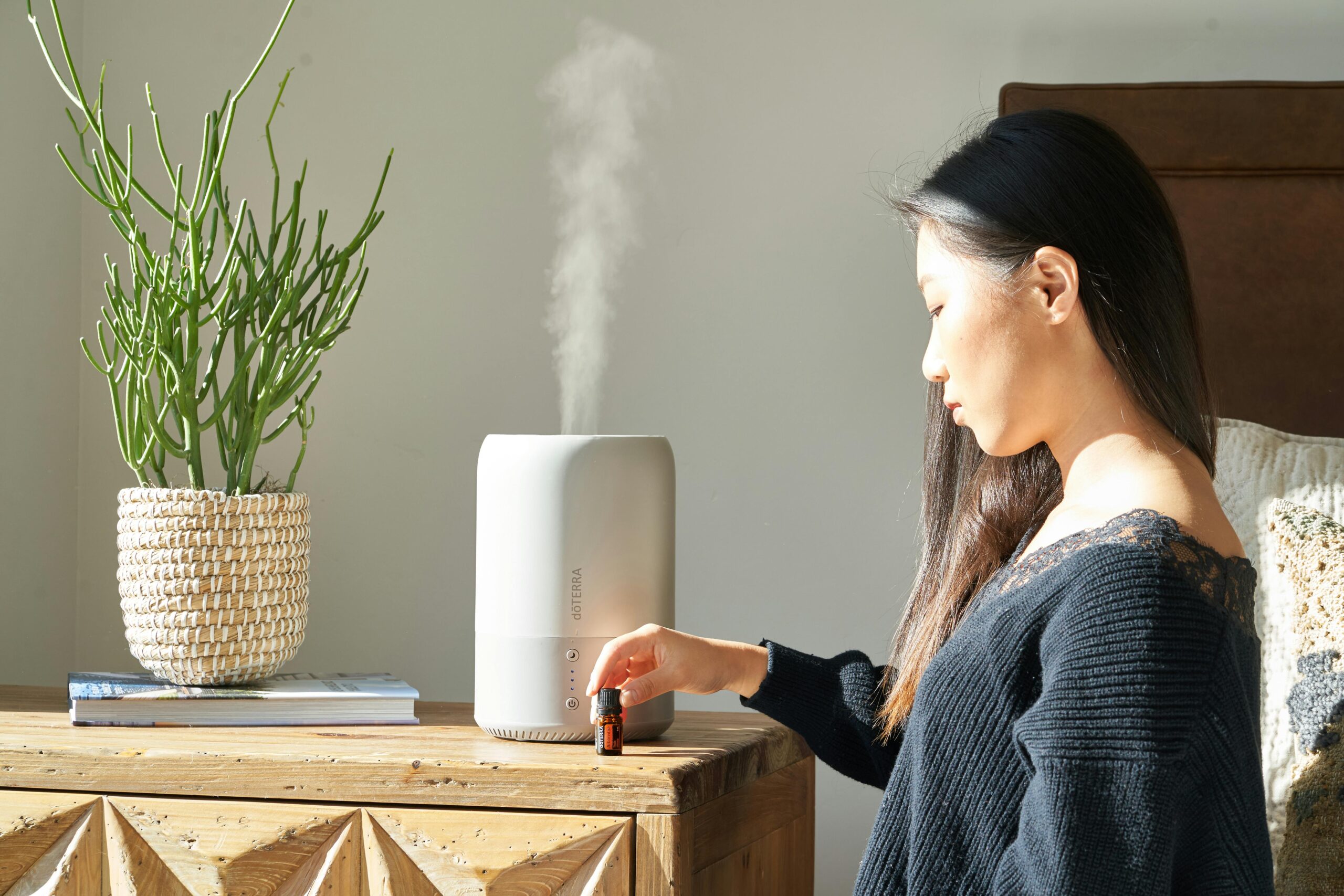
Houseplants That Increase Humidity: Easy Ways to Make Indoor Air Softer and Pet-Safe

Why Korean Skincare Works Better in a Dry Climate (Like Edmonton)
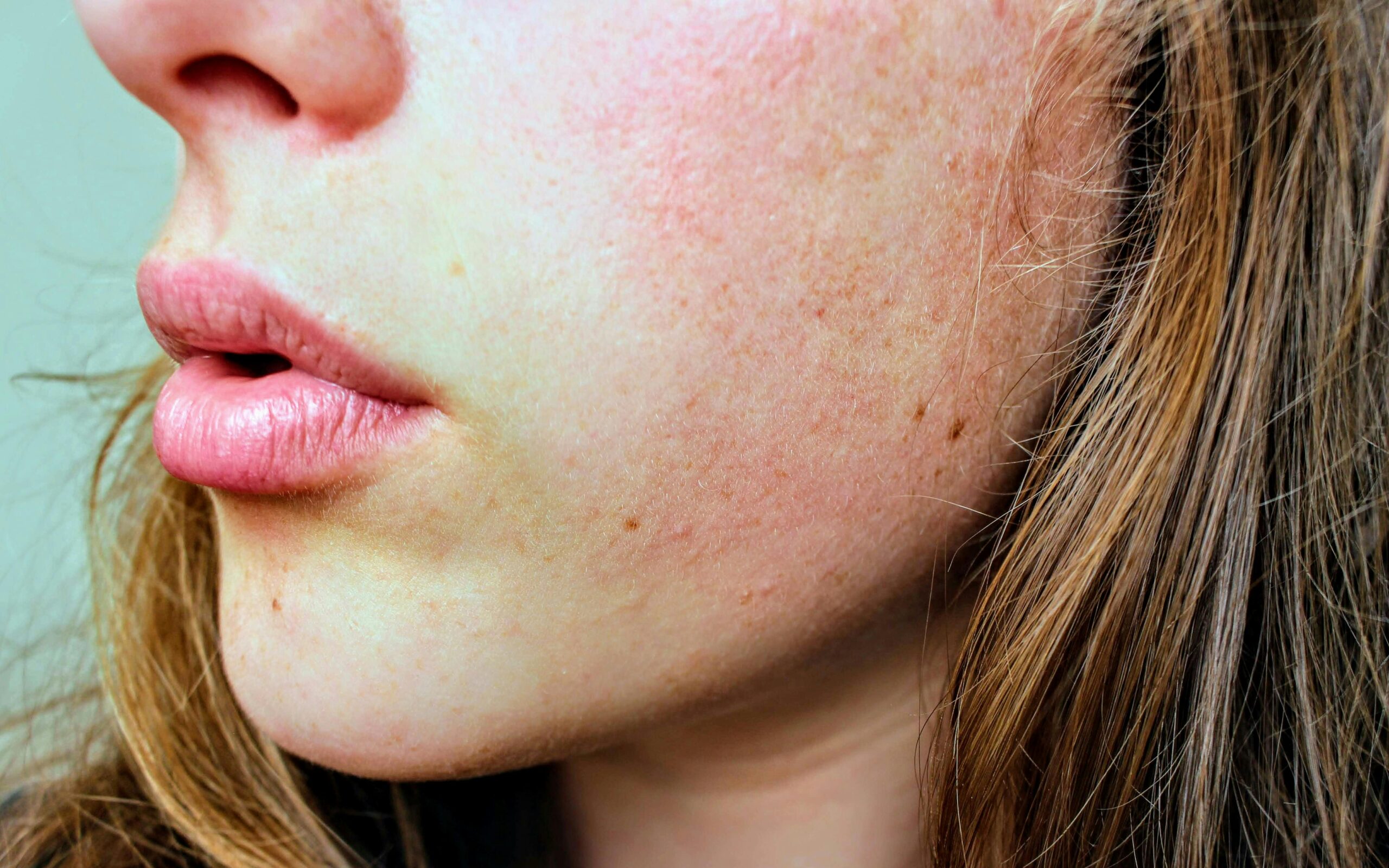
Dry Skin Redness: How to Calm Irritated Skin Fast
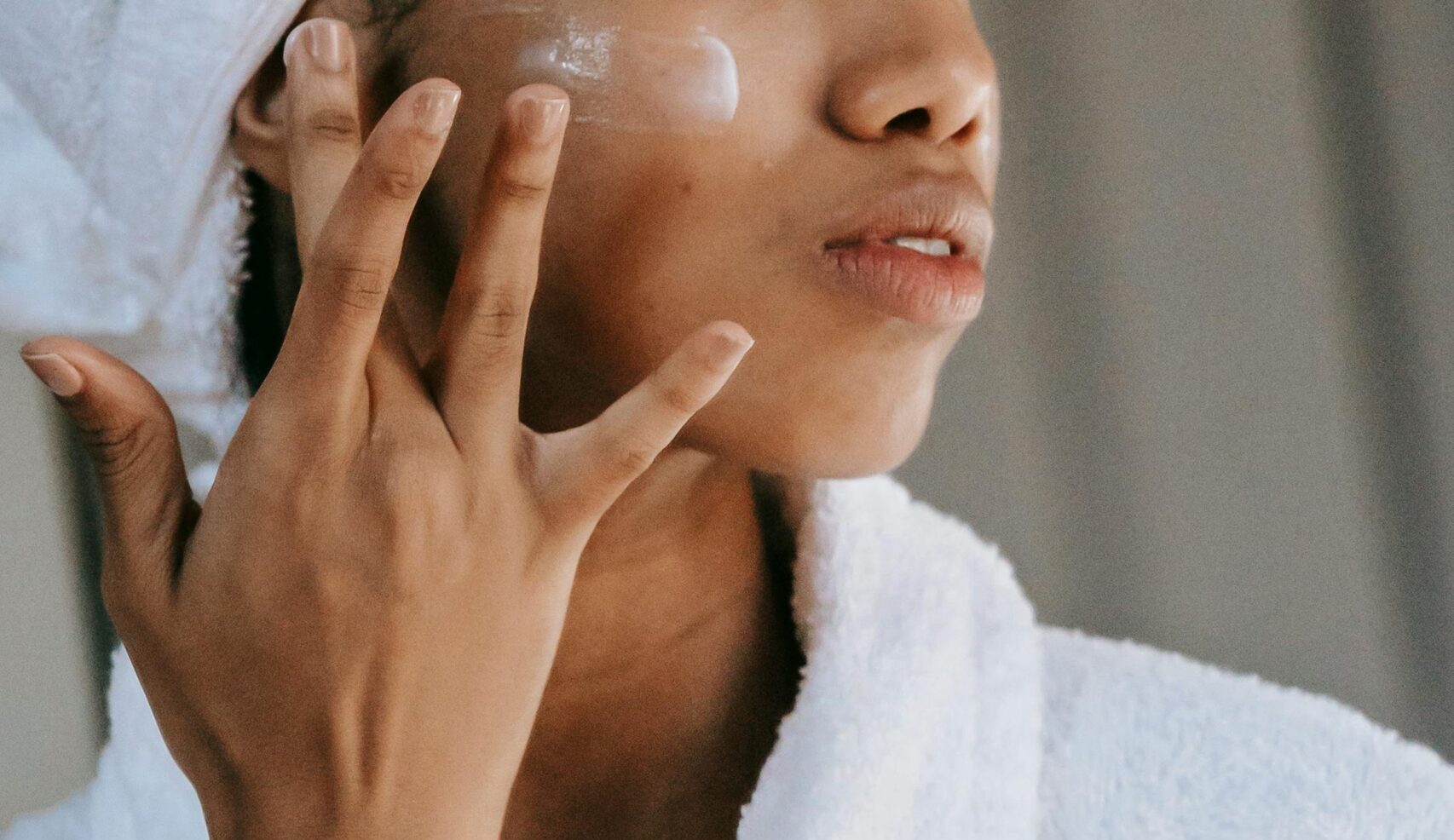
Why Your Moisturizer Isn’t Working for Dry Skin – The Real Fix
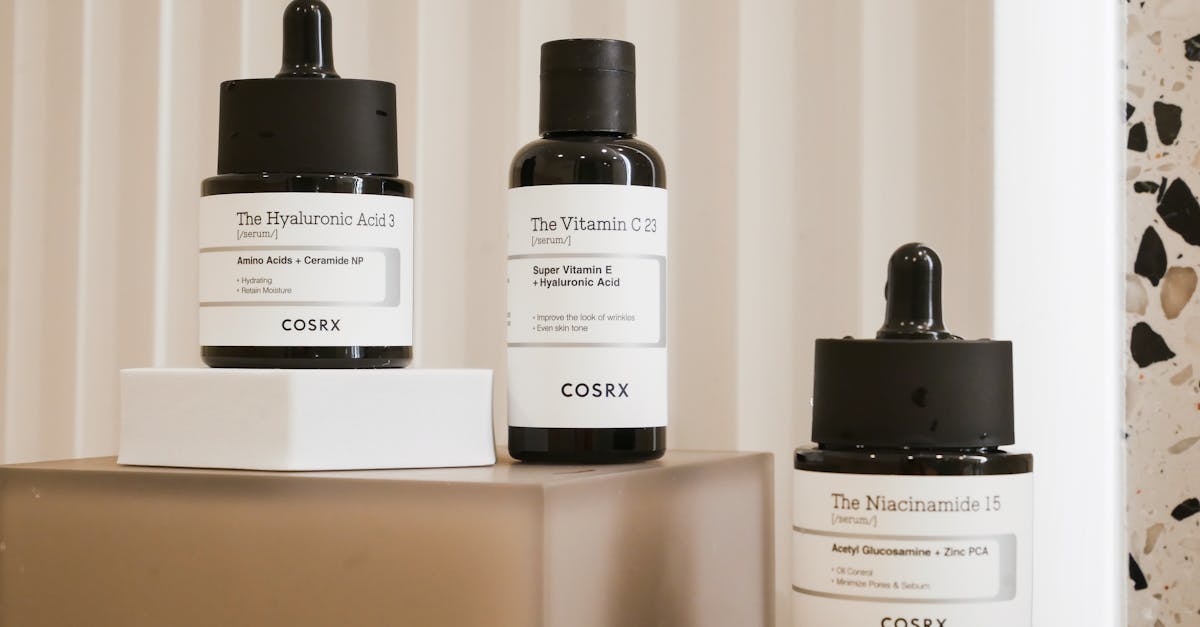
Best Hydrating Serums for Dry Skin in Low Humidity That Work
Does Slugging with Vaseline Actually Work?
Bumpy Skin Texture – What Causes It and How to Smooth It Safely