
How to Fix Dry Skin After Over-Exfoliating – Fast Repair
If you are searching how to fix dry skin after over-exfoliating, the problem usually feels sudden. Skin that was supposed to look smoother starts feeling tight, reactive, stingy, or oddly shiny at the same time. The fix is usually not adding more products – it is stepping back, calming irritation, and giving the barrier a chance to recover.
Over-exfoliated skin often behaves differently from everyday dryness. You know that feeling when even a basic moisturizer suddenly burns a little, or your face feels uncomfortable no matter how much cream you apply? That is often your first clue that the barrier needs repair, not more exfoliation.
Disclaimer: I’m not a dermatologist or medical professional – this post is based on research and personal experience. It may contain affiliate links that earn a small commission at no extra cost to you. The information here is for general informational purposes only and should not be taken as medical advice. Always seek the guidance of a qualified healthcare professional before adding new supplements, tonics, or making changes to your diet, skincare, or lifestyle routine.
A calm reset usually works better than a complicated rescue routine
When skin is irritated, it is easy to start layering every soothing product in sight. In practice, that often creates more variables and more chances for stinging. A simple reset with a gentle cleanser like CeraVe Hydrating Cleanser or Vanicream Gentle Facial Cleanser, followed by a barrier-supporting cream such as La Roche-Posay Cicaplast Baume B5, is often a better starting point.
What over-exfoliating actually does to your skin
Exfoliation can be helpful when it is done carefully. It removes some dead surface cells, smooths texture, and can help other skincare apply more evenly. But once exfoliation becomes too frequent, too strong, or stacked with too many active products, it starts doing more harm than help.
Instead of simply removing buildup, it weakens the skin barrier. That makes it easier for water to escape from the surface of the skin – often described as increased transepidermal water loss, or TEWL. Once that happens, skin can start feeling dry, easily irritated, and more reactive to products that used to feel fine.
This is why how to fix dry skin after over-exfoliating is really a barrier-repair question. The skin is not just dry – it is struggling to hold onto hydration and protect itself properly.
💡 Quick Pro Tip: If your skin suddenly starts stinging after products that normally feel gentle, stop trying to “balance it out” with more actives. That kind of fast reactivity usually means the barrier is asking for less stimulation, not more correction.
Signs you have over-exfoliated your skin
At first, over-exfoliated skin can be easy to confuse with ordinary dryness. The difference is that it often feels more reactive and less predictable. Skin may look dull, tight, red, shiny, flaky, or all of those at once.
🔥 Products suddenly sting
Even basic formulas can start burning a little on contact. This is often one of the clearest signs that the barrier has become more vulnerable than usual.
💧 Skin feels tight after moisturizing
You apply cream, but the tight feeling returns quickly. That often points to water loss and poor barrier retention rather than a need for more exfoliation.
✨ Skin looks shiny but feels uncomfortable
Over-exfoliated skin can look slightly glossy or slick while still feeling dry underneath. That mismatch is part of why the problem gets misread so often.
🌡️ Temperature and water feel harsher
Warm water, wind, and indoor heat may suddenly feel irritating. Skin can react more strongly because the barrier is not buffering those everyday triggers as well.
🔴 Redness lingers longer than usual
If mild redness is hanging around instead of fading quickly, the skin may be inflamed and slower to recover. This is especially common when acids and retinoids overlap.
You know that feeling when everything suddenly feels like “too much” for your face? That is often the moment to stop and pivot into recovery mode.
Heads-up: If you are seeing severe swelling, oozing, cracked skin, signs of infection, or a rash that keeps spreading, this moves beyond a basic recovery routine. At that point, it is smarter to get medical guidance instead of trying to solve everything with skincare alone.
How to fix dry skin after over-exfoliating – the recovery plan
The most effective version of how to fix dry skin after over-exfoliating is surprisingly simple. Instead of chasing instant results, the goal is to lower irritation, rebuild comfort, and give the barrier a stable routine it can actually tolerate.
Stop all exfoliating and high-activity products
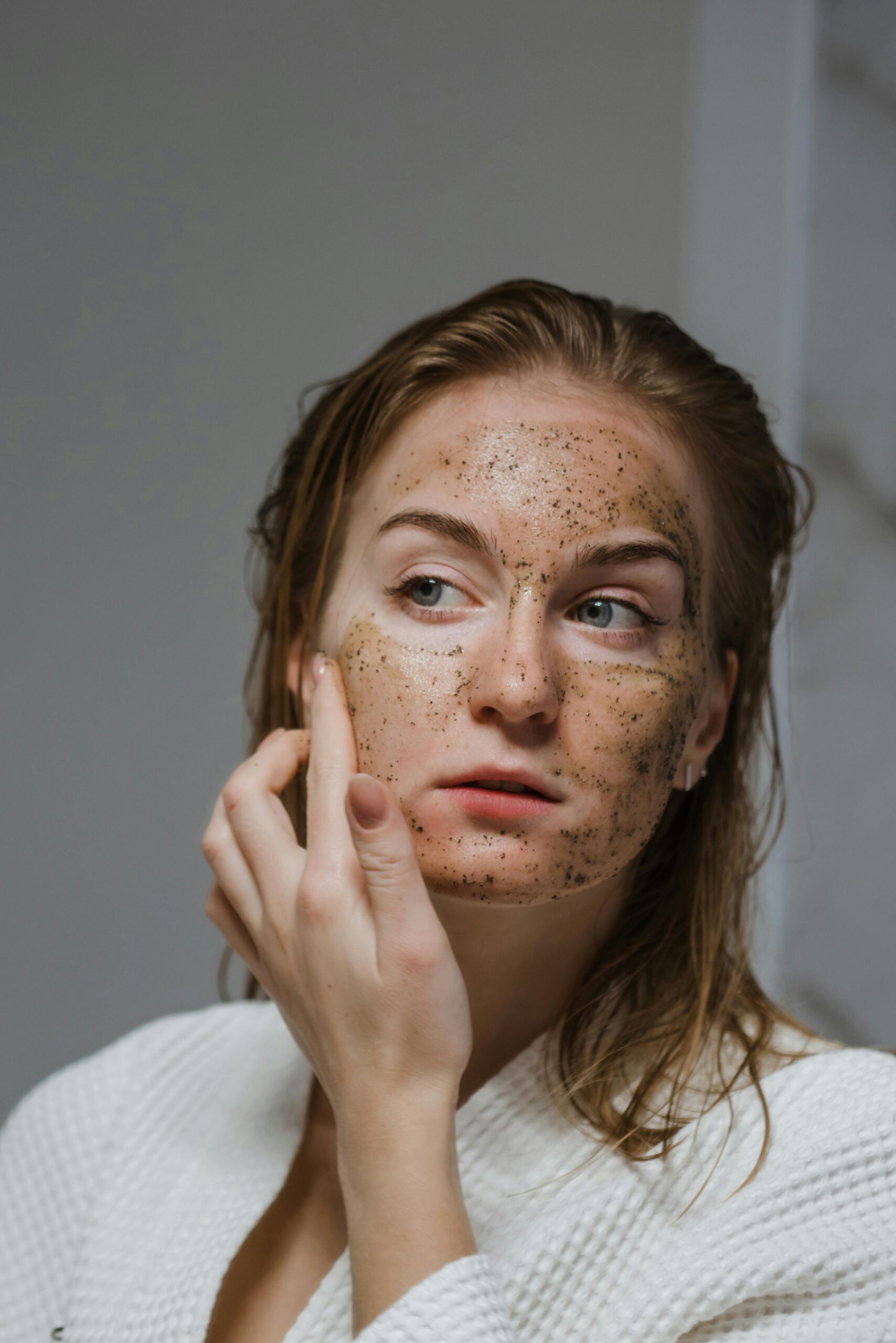
Pause AHAs, BHAs, exfoliating pads, scrubs, retinol, retinal, and any other products meant to speed up turnover. Even a “small amount” can keep the skin in a cycle of irritation when the barrier is already struggling.
Switch to a very simple cleanse-hydrate-moisturize routine
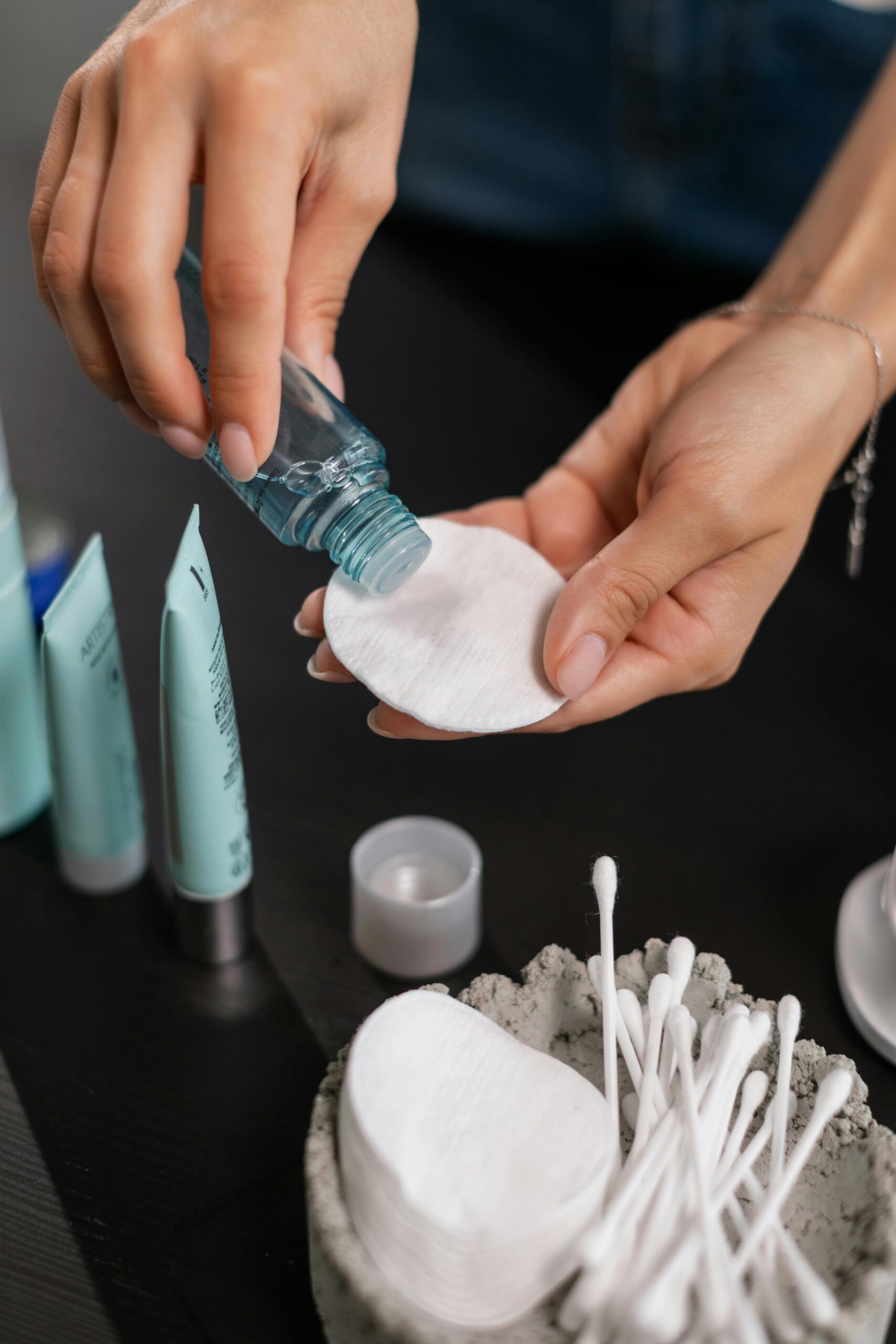
This is not the time for a long routine. A gentle cleanser such as Etude SoonJung pH 6.5 Whip Cleanser or Round Lab 1025 Dokdo Cleanser, followed by hydration and a barrier cream, usually makes more sense than trying to layer treatment products.
Rehydrate the skin before you try to “seal” it
Over-exfoliated skin often needs water first, then moisture second. Hydrating layers like Hada Labo Gokujyun Premium Lotion, Torriden Dive-In Hyaluronic Acid Serum, or Laneige Cream Skin Toner can help the skin feel more comfortable before a richer cream goes on top.
Use a barrier-focused cream that reduces water loss
Creams built around ceramides, fatty acids, cholesterol, and soothing emollients are usually a better fit than lightweight gels right now. Options like Aestura Atobarrier 365 Cream, Illiyoon Ceramide Ato Concentrate Cream, and Dr. Jart+ Ceramidin Cream fit this stage better than aggressive treatment products.
Reduce the small everyday triggers that keep skin reactive
Hot water, harsh foaming cleansers, repeated face washing, and strong fragrance can all keep irritation going. If your room air is very dry, a humidifier can help too – this is explained more in Do Humidifiers Help With Dry Skin?.
Give the barrier time to settle before judging the routine
Most people start looking for a bigger fix too early. With recovery, consistency matters more than intensity, and skin often needs several days of calm repetition before it starts feeling meaningfully better.
If hydration still seems to disappear quickly, the issue may not be your cream alone. The layering order itself can make a difference, especially in dry indoor air – covered more deeply in How to Layer Skincare for Dry Skin.
What not to do while skin is healing
Once skin is irritated, it is surprisingly easy to keep the problem going without realizing it. These are the habits that most often drag recovery out longer than necessary.
❌ Do not keep exfoliating “just once”
It is tempting to use a little acid to smooth flakes or restore glow, but that usually restarts irritation instead of fixing texture.
❌ Do not add five new repair products at once
When everything is new, it becomes much harder to tell what is helping and what is triggering more sensitivity.
❌ Do not over-cleanse because skin feels greasy
Skin can produce oil and still be dehydrated. Stripping it harder often creates more tightness, not more balance.
❌ Do not skip moisturizer because everything feels sensitive
Barrier recovery needs cushioning and reduced water loss. Without that final protective layer, hydration tends to escape too quickly.
❌ Do not restart retinoids or acids the second skin feels “better”
Comfort often comes back before resilience does. Give the skin a longer stretch of stability before testing anything active again.
💡 Quick Pro Tip: If skin feels dry and flaky after over-exfoliating, resist the urge to scrub the flakes away. Those rough patches usually soften more safely with hydration, a barrier cream, and time than with any “smoothing” product.
How long it takes to recover
One reason this topic causes so much stress is that recovery rarely happens instantly. People often expect skin to calm down in a day or two, then assume the routine is failing when that does not happen. In reality, the timeline depends on how irritated the skin became and how quickly the routine was simplified.
Mild irritation
If the skin mainly feels a bit stingy, a little tight, or slightly rough, improvement often starts showing within several days once actives are stopped and the barrier is supported.
Moderate disruption
When redness, sensitivity, and persistent dryness are more noticeable, the skin often needs a longer stretch of consistency before it feels predictably comfortable again.
Deeper repair
If the barrier was hit hard by repeated exfoliation, overlapping actives, or a very dry climate, the recovery window can stretch out. That does not always mean something is wrong – it often just means the barrier needs more time.
If this cycle feels familiar, it may help to read Skin Barrier Repair alongside this post. It goes deeper into why the skin can stay unstable even after the obvious irritation seems to calm down.
When to exfoliate again
Exfoliation does not need to disappear forever. But returning too early is one of the most common ways people end up back in the same cycle. A better checkpoint is not “my skin seems less flaky today” – it is that your skin feels calm, hydrated, and non-reactive for a sustained stretch.
- No stinging from gentle products
- No lingering redness after cleansing
- No tightness that comes right back after moisturizing
- No urge to keep chasing dryness with more layers
Once those signs are in place, reintroduce exfoliation slowly – usually once per week at first, not on the same night as other strong actives. If you want a more careful prevention plan, Safe Exfoliation in Low Humidity is the most direct next read.
What to adjust in your routine while skin is healing
This post does not need a full morning-versus-evening system to satisfy intent. What people usually need here is a simple set of routine adjustments that removes common triggers and keeps hydration in place longer.
What helps right now
Keep cleansing gentle and brief. Use a hydrating layer first, then apply a cream that supports the barrier. If skin feels especially dry at night, a very thin layer of Aquaphor Healing Ointment can help reduce water loss over the moisturizer.
Examples that work well in this phase include CeraVe Hydrating Cleanser, Vanicream Gentle Facial Cleanser, Hada Labo Gokujyun Premium Lotion, and Aestura Atobarrier 365 Cream.
What to pause or minimize
Pause acids, retinoids, scrubs, peel pads, and heavily fragranced formulas. It can also help to avoid very hot showers, repeated face washing, and experimenting with too many “rescue” products at once.
If moisturizer keeps burning, that usually points more toward a damaged barrier than a need for a stronger treatment product. For that specific pattern, Why Your Moisturizer Burns is especially relevant.
Another helpful adjustment is lowering expectations around texture for a short stretch. When the barrier is compromised, skin may look dull, slightly uneven, or a little flaky while it is recovering. Trying to force instant smoothness is usually what keeps recovery from happening.
How to fix dry skin after over-exfoliating if your skin still feels dry after a few days
If you have already stopped actives and simplified your routine, but skin still feels dry, it does not automatically mean the approach is wrong. It may simply mean the barrier has not had enough time yet, or that hydration is being applied without enough support on top.
This is where pairing water-based hydration with a stronger cream matters. A hydrating step can make skin feel more comfortable in the short term, but if you do not follow it with something that helps slow water loss, the tight feeling can return quickly. In dry climates or heated indoor spaces, that pattern is especially common.
For some readers, a richer barrier cream or even a light occlusive finish at night makes the difference between temporary relief and actual recovery. If your skin still feels rough by morning, the deeper issue may be ongoing overnight water loss – something explored more in Why Your Skin Gets Dry Overnight.
How to fix dry skin after over-exfoliating without making it worse
The safest approach is often the least exciting one. Keep the routine small, repeat it consistently, and avoid making decisions based on panic. Skin usually responds better to a calm week of predictable care than to one night of intense treatment followed by three more recovery products.
That is also why this post focuses on gentle basics instead of a giant shopping list. The goal is not to overwhelm your skin or your routine. It is to remove the friction that is keeping the barrier stuck.
Frequently asked questions
Can over-exfoliated skin heal on its own?
Yes – mild over-exfoliation can often improve on its own if the triggering products are stopped quickly and the routine is simplified. What matters most is reducing irritation and giving the barrier enough hydration and protection to recover. If symptoms are severe or do not improve, medical guidance is a better next step.
Can I use hyaluronic acid after over-exfoliating?
Usually yes, as long as the formula is gentle and followed with moisturizer. Hyaluronic acid is not automatically the problem, but it works best when it is part of a routine that also reduces water loss. In very dry environments, pairing it with a barrier cream matters more than using it alone.
Why does my skin feel oily and dry at the same time?
This happens more often than people think. Skin can produce oil while still being dehydrated underneath, especially after the barrier has been disrupted. That is one reason over-cleansing and adding more actives usually backfires instead of solving the problem.
Should I stop washing my face for a few days?
Not usually. It is better to switch to a gentle cleanser and keep cleansing brief rather than stop entirely if you are wearing sunscreen, makeup, or dealing with buildup. The goal is to reduce friction, not to let residue sit on already-reactive skin.
How do I know if my skin barrier is still damaged?
Persistent stinging, recurring tightness, redness, and products that suddenly feel harsher than usual are all common clues. If skin still feels reactive even after you stop exfoliating, it usually means the barrier has not fully settled yet. That does not always mean the routine is wrong – it often means recovery is still in progress.
What kind of moisturizer is best after over-exfoliating?
Look for formulas built around barrier-supportive ingredients such as ceramides, fatty acids, cholesterol, and soothing emollients. Richer creams tend to perform better than lightweight gels during this stage because they help reduce water loss more effectively. Aestura Atobarrier 365 Cream, Illiyoon Ceramide Ato Concentrate Cream, and La Roche-Posay Cicaplast Baume B5 all fit that purpose well.
Skin usually does not need a dramatic rescue after over-exfoliating – it needs a quieter routine, fewer variables, and enough time to feel safe again. Once the barrier settles, everything else tends to make more sense.
Keep Reading: Skin Barrier Repair · Safe Exfoliation in Low Humidity · How to Layer Skincare for Dry Skin · Why Your Moisturizer Burns
📚 Sources & References
You Might Also Like
Why Hyaluronic Acid Fails in Dry Climates – And What to Do Instead
Why Korean Skincare Works Better in a Dry Climate (Like Edmonton)
Winter Sunscreen for Dry Skin: Why SPF Feels Drying & What Works

Skincare in Dry Climates: How to Keep Your Skin Hydrated When the Air Isn’t Helping
Best Face Oils for Dry Skin in Cold Climates That Actually Work

K-Beauty Moisturizers for Dry Skin: Top Picks for Deep, Lasting Hydration
Weekly Skincare Routine for Dry Skin: A Simple, Calm Plan
Best Sunscreen for Dry Skin Canada – Non-Drying Picks That Work

Skin Barrier Repair: How to Restore Balance in a Dry Climate
Best Drugstore Products for Dry Skin That Actually Work