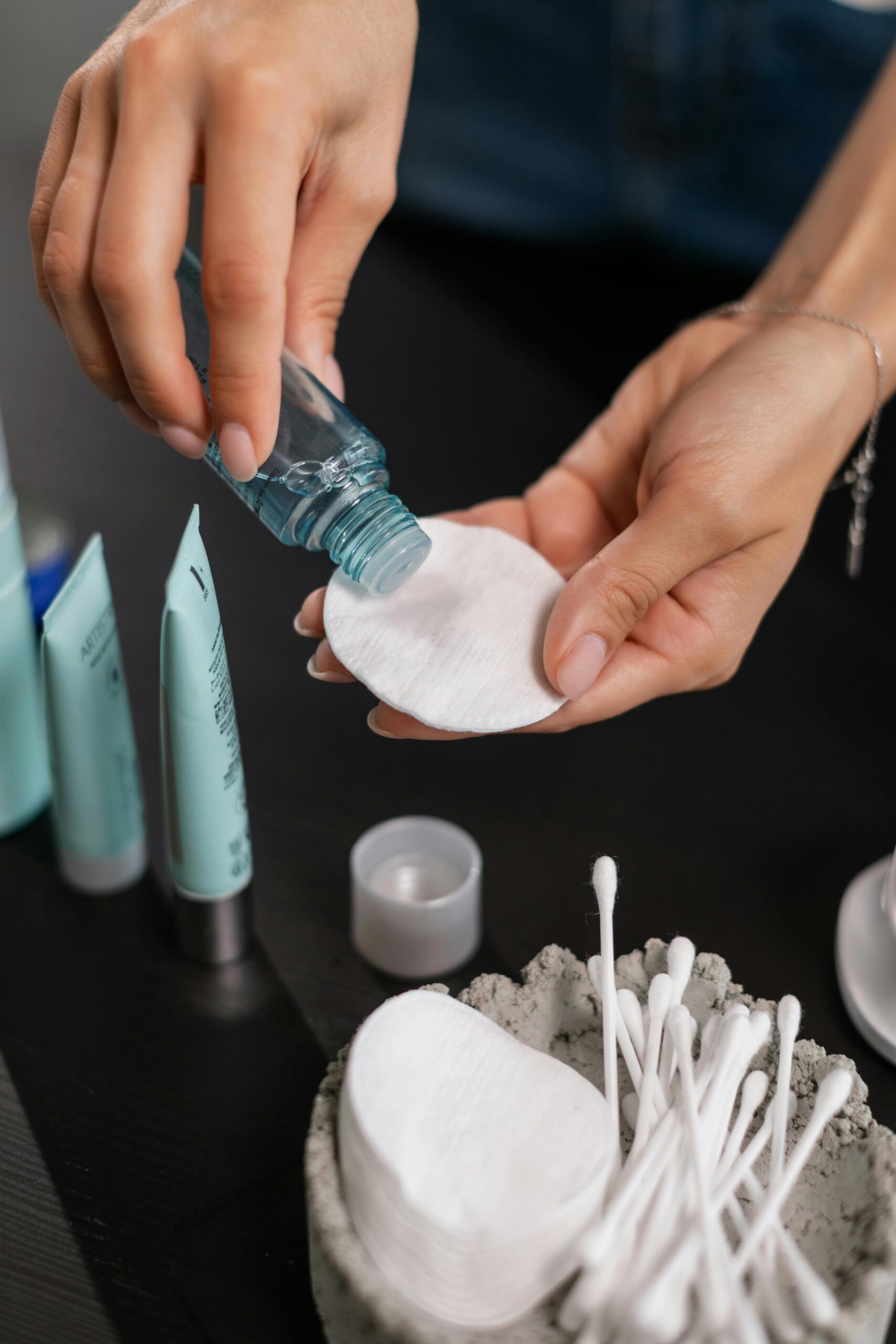


Flaky skin on face can be frustrating because it often makes your skin look rough even when you are already moisturizing. You know that feeling when makeup goes on smoothly in one area, then suddenly catches around your nose, chin, or cheeks? That is usually the point where dry patches start feeling less like simple dryness and more like a routine problem that needs a different fix.
In many cases, flaky skin on face is tied to surface buildup, uneven skin shedding, a stressed barrier, or hydration that is not being layered in a way your skin can actually hold onto. This post focuses on those common cosmetic causes, how to tell what may be going on, and what tends to help without making your skin feel more irritated.
Disclaimer: I’m not a dermatologist or medical professional – this post is based on research and personal experience. It may contain affiliate links that earn a small commission at no extra cost to you. The information here is for general informational purposes only and should not be taken as medical advice. Always seek the guidance of a qualified healthcare professional before adding new supplements, tonics, or making changes to your diet, skincare, or lifestyle routine.
What flaky skin on face actually means
Flaky skin on face usually means the surface of the skin is not shedding as evenly as it should. That can happen when dead skin builds up, when the barrier is not holding moisture well, or when the routine feels rich on top but is missing the hydration layers underneath.
This is why skin can feel dry but also look rough, textured, or patchy. A thick cream can soften the surface temporarily, but it does not directly remove buildup or fix every reason flakes keep showing up.
What you might notice
Small flakes around the nose, chin, or cheeks. Makeup may catch in certain areas while the rest of the face looks normal, and the skin can feel tight after cleansing even before the rest of the routine goes on.
What that often points to
Some combination of dead skin buildup, weak barrier support, or hydration that is not layered well enough for dry air. This is also why why your moisturizer isn’t working can end up being a bigger issue than the moisturizer itself.
💡 Quick Pro Tip: If your skin feels tight within a minute or two of cleansing, start by fixing your cleanser before changing the rest of your routine. A gentler option like CeraVe Hydrating Cleanser or Vanicream Gentle Facial Cleanser can make the whole routine work better because you are not starting from a stripped baseline.
If dry indoor air is part of the bigger picture, this topic also connects naturally to skincare in dry climates.
Why you still have flaky skin on face
1. Dead skin buildup is sitting on the surface
Skin naturally renews itself, but that process does not always happen evenly. When it slows down, dry skin cells can hang around longer than they should, which makes texture and visible flakes more obvious.
This is one reason makeup tends to make flaky skin on face look worse. The texture is already there – makeup simply highlights it.
2. Your barrier is not holding moisture evenly
A healthy barrier helps keep water in the skin and reduces that cycle of feeling dry, then rough, then flaky again. When the barrier is stressed, moisture escapes more easily and the skin can look uneven even if you are using “good” products.
This is where barrier-focused creams make more sense than endlessly layering random serums. Aestura Atobarrier 365 Cream and Illiyoon Ceramide Ato Concentrate Cream are two especially relevant examples here.
3. Hydration is not being layered properly
Sometimes the issue is not the moisturizer itself – it is what is underneath it. If every layer goes onto fully dry skin, hydration can end up feeling shallow and the surface can still look rough by the time everything dries down.
That is why a hydrating first step can help. Something like Laneige Cream Skin Toner, Pyunkang Yul Essence Toner, or Torriden Dive-In Hyaluronic Acid Serum can fit well before moisturizer when used on slightly damp skin.
4. The routine feels heavy, but not actually smoothing
There is a difference between skin feeling coated and skin feeling comfortable. A routine that leans too hard on thick creams without enough hydration underneath can leave dry patches looking almost sealed in rather than softened.
This is also where occlusives vs humectants becomes useful, because the issue may be less about buying a richer cream and more about building the layers in the right order.
| What is happening | What it often looks like | What usually helps |
|---|---|---|
| Dead skin buildup | Visible flakes, rough patches, makeup catching around the nose or cheeks | Gentle exfoliation a few times a week instead of scrubbing harder |
| Barrier imbalance | Recurring dry patches, uneven feel, skin that never seems fully comfortable | Ceramide-rich creams and a simpler, less aggressive routine |
| Poor layering | Skin feels tight even after skincare, then looks flaky once everything dries | Damp-skin hydration with a toner or serum before moisturizer |
| Heavy-only routine | Coated feeling without real smoothness | Hydration first, then seal it in with a barrier cream |
Heads-up: If flaking is very red, itchy, painful, or persistent, it may be worth checking with a dermatologist. Common dry-skin advice can help with cosmetic dryness, but some skin conditions can look similar and need a different approach.
How to fix flaky skin on face
At this point, it is common to assume the answer is just a thicker moisturizer. Usually, that is not the missing step.
The better approach is to think in order – remove buildup gently, add hydration properly, and support the barrier consistently. That sequence tends to work better than jumping straight to the richest product in the drawer.
Step 1 – Use a gentle exfoliant
If buildup is part of the problem, some exfoliation can help the skin shed more evenly. The goal is not to make the skin peel – it is to stop that rough layer from hanging around long enough to show up in flakes and texture.
The Ordinary Lactic Acid 5% and The INKEY List PHA Toner are both gentle fits for this kind of post because they are more aligned with dry, flaky texture than a harsher scrub would be. If you want more background here, safe exfoliation in low humidity is the best related read.
Step 2 – Rebuild hydration underneath
Once the surface is a little smoother, hydration has a better chance of actually reaching the skin instead of sitting on top of it. This is the point where a lightweight hydrating layer can make more difference than adding another heavy cream.
Examples that work well here include Laneige Cream Skin Toner, Pyunkang Yul Essence Toner, Torriden Dive-In Hyaluronic Acid Serum, and Skin1004 Madagascar Centella Ampoule.
💡 Quick Pro Tip: When using humectant-based products, apply them while the skin is still slightly damp, then follow with moisturizer before the surface fully dries. That small timing shift can make hydrating layers feel a lot more effective, especially in heated homes or low-humidity air.
Step 3 – Seal with a barrier-supportive cream
For flaky skin on face, this is often the step that makes the routine feel complete. The best examples are usually creams that support the barrier instead of just adding a richer texture on top.
Aestura Atobarrier 365 Cream, Illiyoon Ceramide Ato Concentrate Cream, and CeraVe Moisturizing Cream all fit that role well. If the skin feels especially irritated or wind-chapped, La Roche-Posay Cicaplast Baume B5 can also make sense as a protective finishing layer.
Step 4 – Keep the rest simple
When skin is already flaky, it usually does better with less friction, not more. Avoid piling on too many actives at once, avoid changing products every few days, and keep the cleanser as gentle as possible so the rest of the routine actually has a chance to work.
A routine that helps flaky skin on face
This is where the pieces come together – gentle cleanse, damp-skin hydration, barrier support, and just enough exfoliation to keep buildup from hanging around.
☀️ Morning
Keep the morning routine calm and lightweight so the skin feels comfortable under sunscreen and makeup.
- Start with CeraVe Hydrating Cleanser or Vanicream Gentle Facial Cleanser if you need a cleanse at all.
- Apply a hydrating step like Laneige Cream Skin Toner or Torriden Dive-In Hyaluronic Acid Serum while skin is slightly damp.
- Seal with Aestura Atobarrier 365 Cream or Illiyoon Ceramide Ato Concentrate Cream.
- Finish with sunscreen such as Beauty of Joseon Relief Sun SPF 50 or Skin1004 Hyalu-Cica Water-Fit Sun Serum SPF50+.
🌙 Evening
Night is where you can address buildup more directly and give the barrier more support without worrying about makeup wear.
- Cleanse gently and avoid anything that leaves skin squeaky.
- Use The Ordinary Lactic Acid 5% a few nights a week, or The INKEY List PHA Toner if you want a gentler exfoliating step.
- Follow with a hydrating layer, then a barrier cream.
- If the driest areas still feel fragile, a thin layer of La Roche-Posay Cicaplast Baume B5 can help lock things down.
Common mistakes that keep dry patches around
The most common trap is trying to fix everything too quickly. When the skin looks rough, it is easy to scrub harder, use stronger actives, or switch products too often, but that usually keeps the cycle going.
What tends to make things worse
Exfoliating too often, relying only on thick creams, applying everything on fully dry skin, or cleansing with something that leaves the face feeling tight. These are small habits, but together they can keep flakes hanging around longer than they need to.
What usually works better
A gentler cleanser, a damp-skin hydration step, steady barrier support, and controlled exfoliation only when needed. That approach is calmer, but it tends to be more effective and easier to stick with.
Can a humidifier help?
Sometimes, yes. A humidifier will not replace exfoliation or barrier repair, but very dry indoor air can absolutely make flaky skin on face look worse and feel tighter by morning.
If you often wake up with that papery, stretched feeling, a bedroom humidifier can be a helpful supporting step. Dreo Smart Cool-Mist 4 L is the most natural fit from your current list for this kind of use case, and it pairs well with your deeper reads on do humidifiers help with dry skin and best humidifiers for dry skin.
Frequently asked questions
Should you exfoliate flaky skin on face?
- Often, yes – but gently. If buildup is part of the problem, a mild exfoliant can help the skin shed more evenly and make dry patches less obvious over time. The goal is not aggressive peeling or daily scrubbing. It is controlled, low-irritation exfoliation that supports smoother texture.
Why does makeup cling to dry patches so easily?
- Because the uneven texture is already sitting on the surface before makeup ever goes on. Foundation and concealer tend to catch wherever flakes or roughness are present, which makes those areas stand out more. Usually the fix is not different makeup – it is improving the skincare underneath it.
Is flaky skin on face always just dryness?
- Not always. Cosmetic dryness is common, but persistent redness, itching, pain, or spreading flaking can point to something more than a simple dry-skin routine issue. That is one reason this post focuses on common cosmetic causes while still leaving room for the possibility that some skin needs professional guidance.
Do you need a thicker moisturizer if your face is flaky?
- Not necessarily. Sometimes a thicker moisturizer helps, but often the better fix is gentle exfoliation plus a proper hydrating layer underneath. If the skin is missing water and barrier support, adding only more richness on top can leave it feeling coated without actually looking smoother.
What type of products tend to work best for recurring dry patches?
- Usually products that support the barrier and hold onto hydration rather than just sitting heavily on the surface. Gentle cleansers, hydrating toners or serums, ceramide-rich creams, and mild exfoliants tend to make the most sense. That is why options like Aestura, Illiyoon, CeraVe, Laneige, and gentle acids show up naturally in a routine like this one.
Keep Reading: Safe exfoliation in low humidity · Best hydrating serums · Why your moisturizer isn’t working · Best cleanser for dry climates · Barrier repair
📚 Sources & References
- American Academy of Dermatology – Dermatologists’ top tips for relieving dry skin
- American Academy of Dermatology – How to pick the right moisturizer for your skin
- American Academy of Dermatology – How to safely exfoliate at home
- NHS – Contact dermatitis
- American Journal of Clinical Dermatology – The clinical benefit of moisturizers
- Dermatology Research and Practice – Moisturizers and the skin barrier
When dry patches keep coming back, the answer usually is not doing more – it is choosing the steps that actually support your skin in the right order. Once that clicks, flaky skin on face starts to feel much easier to manage.
You Might Also Like
How to Choose the Best Cleanser for Dry Winter Skin (Without Stripping Your Barrier)
Best Moisturizers for Extremely Dry Winter Skin (Canada)
Spring Skincare Routine Dry Climate: How to Transition Without Damaging Your Skin Barrier

Skin Feels Tight After Cleansing? Why It Happens + Fix

Does Bird’s Nest Soup Really Give You Glowing Skin?
Best Barrier Repair Creams for Dry Skin That Actually Work
Best Moisturizer for Dry Winter Climate Skin: Lightweight to Barrier Creams

Best Humidifiers for Dry Skin – Cool-Mist Picks, Placement & Water Tips

Why Your Skin Gets Dry Overnight (Even With a Night Routine)

Which Serum Do You Actually Need? – The Glo Guide to Choosing Ingredients by Skin Type