

Product Focus
Is Collagen Powder Worth It? The Real Answer (2026)
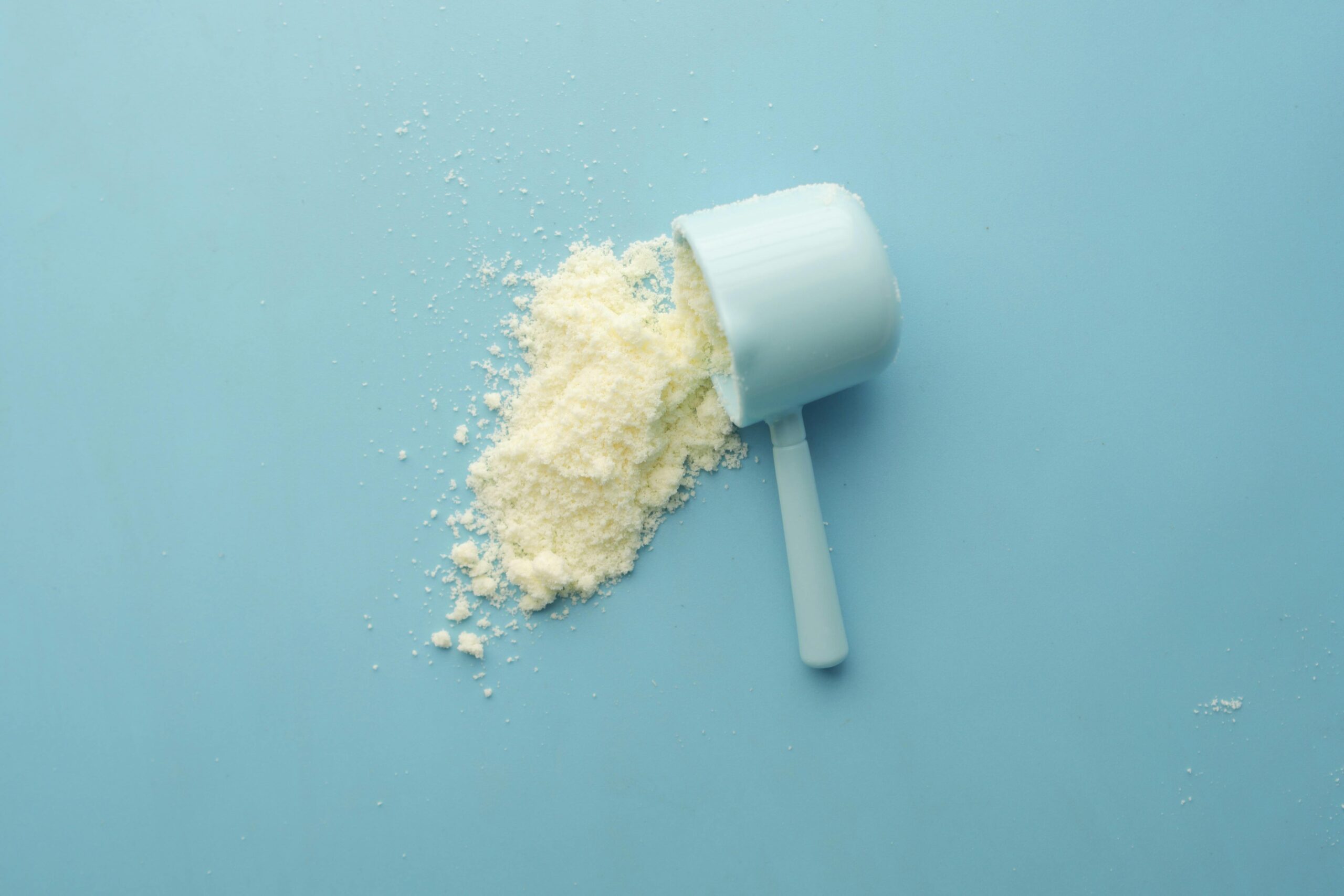
If you have been wondering is collagen powder worth it, the honest answer is that it can help in the right context – but it is rarely the main reason skin starts looking better. This post breaks down what collagen actually does, where it may help most, and how to tell whether it makes sense for your routine or budget.
Disclaimer: I’m not a dermatologist or medical professional – this post is based on research and personal experience. It may contain affiliate links that earn a small commission at no extra cost to you. The information here is for general informational purposes only and should not be taken as medical advice. Always seek the guidance of a qualified healthcare professional before adding new supplements, tonics, or making changes to your diet, skincare, or lifestyle routine.
- Is collagen powder worth it – or just another trend?
- Expectation vs reality
- What collagen powder actually does in your body
- Is collagen powder worth it for skin?
- Where collagen actually helps
- Is collagen powder worth it for hair and nails?
- Is collagen powder worth it for joints and overall support?
- Is collagen powder worth it for you?
- What to look for in a good collagen powder
- So, is collagen powder worth it?
- Frequently asked questions
Is collagen powder worth it – or just another trend?
Collagen powder is everywhere right now – stirred into coffee, mixed into smoothies, and folded into routines that promise better skin, stronger nails, and fewer signs of dryness. But once the marketing is stripped away, the real question is simpler: is collagen powder worth it for actual results, or is it mostly a nice-looking extra?
Short answer: sometimes – but not for the reasons most people expect. Collagen can act like a supportive background habit, especially when your routine is already doing the basics well. What it does not do is replace hydration, barrier support, or consistent skincare.
Why this gets confusing: people often try collagen while their skin is still dehydrated on the surface. You know that feeling when your skin feels tight again by midday even though you applied products in the morning? That is usually a hydration and barrier issue first, not proof that your body suddenly needs a supplement.
That is why lightweight hydrators such as Laneige Cream Skin Toner or Hada Labo Gokujyun Premium Lotion often create a more immediate difference in comfort than collagen does. If your skin is already dry on the outside, topical support usually shows up faster.
💡 Quick Pro Tip: If your face feels comfortable for an hour and then suddenly tight again, look at how your routine holds water in – not just how it adds water. A hydrating toner under a barrier-supportive cream often changes that pattern faster than adding a supplement alone.
Expectation vs reality
Before deciding whether collagen powder is worth the investment, it helps to reset expectations. A lot of disappointment around collagen comes from expecting one kind of result and getting a completely different experience.
What people expect
- “It goes straight to my skin and fills everything in.”
- “I will notice a visible glow in a week or two.”
- “It can make up for a routine that is not really working.”
What actually happens
- It is broken down during digestion and used as amino acid building blocks.
- Any skin changes tend to be gradual and usually look subtle rather than dramatic.
- It supports a solid routine – it does not replace hydration, moisturizers, or sunscreen.
What collagen powder actually does in your body
Collagen powder is usually made of hydrolyzed collagen peptides, which means the protein has been broken into smaller pieces that are easier to mix and digest. Once consumed, your body does not send that collagen directly to your face as intact collagen.
Step 1 – it gets digested
Your body breaks collagen into amino acids and small peptides. That matters because the supplement becomes a source of raw material, not a direct “skin treatment” on its own.
Step 2 – those building blocks get distributed
The amino acids can then be used in different tissues throughout the body. This is one reason some people notice joint comfort or recovery support before they notice much in the mirror.
Step 3 – results depend on the bigger picture
Protein intake, overall nutrition, skincare consistency, sun protection, and moisture loss all affect what kind of result feels realistic. In other words, collagen is one layer – not the whole system.
You can think of it as a supportive pool of ingredients your body may use over time. That is why the experience is often described as steady rather than obvious.
Is collagen powder worth it for skin?
This is the biggest reason most people buy it. And to be fair, this is also where the conversation gets the most oversimplified. Some clinical research suggests oral collagen supplements may help support skin hydration and elasticity over time, but that does not mean the effect will be dramatic or even easy to notice if your routine is missing basics.
For dry-climate skin, the more immediate issue is often transepidermal water loss – meaning moisture escapes too quickly. If your skin is already struggling to hold onto water, collagen can end up feeling underwhelming because the surface-level dryness is still there every day.
That is why readers dealing with constant dryness usually get more visible relief from barrier-focused products first. Creams such as Aestura Atobarrier 365 Cream or Illiyoon Ceramide Ato Concentrate Cream help reduce moisture loss, which gives your skin a better chance to actually look calmer and more supported.
If your dryness shows up more as random tightness during the day, why skin gets dry during the day explains that pattern more clearly. And if the bigger issue is that nothing seems to work anymore, Skin barrier repair is the better place to start.
💡 Quick Pro Tip: If a supplement is meant to support your skin from the inside, give your surface routine the same respect. A bland, barrier-friendly moisturizer, steady hydration layers, and sunscreen usually make collagen easier to judge fairly because your skin is not fighting obvious dryness at the same time.
Where collagen actually helps
A more useful way to think about collagen is by category. Instead of asking whether it is “good” or “bad,” it helps to look at where people are most likely to notice change and where expectations need to stay modest.
Skin
Collagen may support hydration and elasticity in a subtle way over time. This tends to feel more like a gentle improvement in overall support than a fast, dramatic glow.
Hair and nails
Nail strength may improve a little for some people, while hair benefits are more mixed. If someone already eats enough protein, the difference can be hard to spot.
Joints and body
This is where collagen often feels most convincing. Some people notice support around joint comfort, movement, or recovery even when skin changes stay fairly subtle.
This breakdown also explains why two people can take the same powder and feel very differently about it. One might be hoping for glowing skin, while the other mainly notices that their body feels a little better after a few weeks.
Is collagen powder worth it for hair and nails?
Hair and nails are a big part of collagen marketing, but this is where nuance matters. Stronger nails are one of the more believable small wins people sometimes report, especially if they are prone to splitting or bending easily. Hair is less straightforward because growth is affected by so many things – from protein intake and stress to hormones and scalp health.
So if you are asking is collagen powder worth it mainly for hair growth, it helps to keep expectations modest. It may be a supportive addition, but it is rarely the one thing that suddenly changes everything.
Is collagen powder worth it for joints and overall support?
This is one of the stronger arguments in collagen’s favour. Some studies suggest oral collagen may help support joints, connective tissue, or comfort over time, which means the benefits are not limited to skin at all.
That matters because a lot of disappointment comes from judging collagen only by the mirror. If someone notices slightly easier movement, better comfort during workouts, or less general wear-and-tear feeling, that still counts as a useful result. In other words, whether collagen powder is worth it may depend on what you are trying to get from it in the first place.
Is collagen powder worth it for you?
Once the claims are stripped back, the real question becomes personal. Not “Does collagen exist?” or “Do people buy it?” but “Does it make sense for my skin, my routine, and my expectations?”
✔ Worth it if
- You live in a dry or cold climate and want extra support while keeping expectations realistic.
- Your diet does not always include enough protein, especially on busy weeks where meals get repetitive or rushed.
- You want a quiet, long-term habit rather than something that has to impress you in three days.
- Your skincare routine is already fairly stable, so you are not using collagen to compensate for bigger issues.
✖ Not worth it if
- You expect visible transformation in a week or two and will be disappointed by subtle change.
- You are trying to fix irritation, acne, or obvious barrier damage with a supplement instead of routine changes.
- You already get plenty of protein and do not really have a specific reason for adding it.
- You are hoping it will replace the basics that still matter more, like moisturizers, sunscreen, and consistent hydration.
You know that feeling when you keep adding one more thing, hoping it will finally be the missing piece? That is usually a sign to step back and look at your routine structure first. If layering is part of the problem, Skincare order for dry skin is a better next step.
Heads-up: If your skin feels irritated, stings when products go on, or suddenly looks worse despite doing more, that is usually not the moment to judge collagen. A supplement is easier to evaluate once your routine is stable and your barrier is not already sending distress signals.
What to look for in a good collagen powder
If collagen does sound worth trying, the next question is what makes one formula better than another. The best options tend to be simple rather than flashy. That usually means hydrolyzed collagen peptides, minimal added ingredients, and a formula that is easy to use consistently.
- Hydrolyzed collagen peptides – easier to dissolve and easier to build into daily habits.
- Type I and III collagen – commonly chosen when skin support is part of the goal.
- Minimal fillers – especially helpful if you want to avoid sweeteners, flavours, or extra ingredients that do not really add value.
- Vitamin C pairing – not essential in the powder itself, but useful overall because vitamin C is involved in collagen synthesis.
Consistency matters more than perfection here. A simple powder you will actually use every day is usually better than an expensive formula that feels impressive but ends up sitting in the cupboard.
Examples that work well
Organika Enhanced Collagen Powder is a simple everyday option that feels low-fuss and easy to mix. Sports Research Collagen Peptides is a clean, minimal formula that fits nicely if you want something straightforward. Vital Proteins Collagen Peptides is one of the most recognizable options, which can feel reassuring if you prefer something widely known and easy to find.
So, is collagen powder worth it?
For some people, yes – but not as a miracle and not as a shortcut. Collagen powder is most worth it when the expectations are realistic, the routine basics are already in place, and the goal is steady support rather than instant change.
It is less worth it when someone is using it as a stand-in for things their skin still clearly needs, like hydration, barrier support, or better daily consistency. If your dryness is still not making sense, Why skincare stops working and why skin gets dry overnight are both more directly useful.
At its best, collagen works like a background habit. It will not replace what your skin needs day to day, but it may make sense as one quiet layer in a routine that is already doing the fundamentals well.
Frequently asked questions
How long does collagen powder take to work?
Most people need at least 4 to 8 weeks of steady use before they can even start judging it fairly. Even then, the results usually feel subtle rather than dramatic, so it helps to look for small changes in comfort, dryness, or consistency instead of expecting an obvious overnight difference.
Can collagen powder replace skincare products?
No – collagen and skincare do different jobs. A supplement may offer internal support, but it cannot replace the daily surface-level work of keeping your skin hydrated, protecting the barrier, and preventing moisture loss with the right products.
Is marine or bovine collagen better?
Both can be effective, and the better choice often comes down to preference, sourcing, and how well you tolerate the formula. Bovine collagen is very common and often includes Types I and III, while marine collagen is frequently chosen by people who prefer a fish-derived option.
Can collagen powder cause breakouts?
It is not one of the most common side effects, but reactions can happen depending on the formula and what else is added to it. If a powder includes sweeteners, flavourings, or other extras, it can be harder to tell what your skin is responding to, which is why simpler formulas are often the easiest place to start.
Is collagen powder worth it if I already eat enough protein?
Maybe – but the benefit may feel smaller. If your protein intake is already solid and your routine basics are covered, collagen can still be a supportive add-on, but it is less likely to feel like a major missing piece.
What matters more than collagen if my skin is still dry?
Usually the fundamentals – how you cleanse, how you layer hydration, how well your moisturizer seals things in, and how much your environment is drying you out. Posts like Best hydrating serums or why your moisturizer isn’t working are often more useful if the main problem is ongoing dryness.
Collagen can be a helpful extra, but your skin still reads the habits you repeat every day. When the basics are strong, it becomes much easier to tell whether a supplement is actually adding something worthwhile.
Keep Reading: Skin barrier repair · Why your moisturizer isn’t working · Best hydrating serums · Why skin gets dry overnight
📚 Sources & References
- Cleveland Clinic – Collagen supplements
- Harvard T.H. Chan School of Public Health – Collagen
- NIH Office of Dietary Supplements – What you need to know about dietary supplements
- Journal of Drugs in Dermatology – Oral collagen supplementation and dermatologic applications
- Mayo Clinic – Collagen and biotin supplements
You Might Also Like
How to Fix Dry Skin After Over-Exfoliating – Fast Repair

Lightweight Moisturizer Dry Skin Canada – Spring Picks That Work

Skincare in Dry Climates: How to Keep Your Skin Hydrated When the Air Isn’t Helping
Why Does My Skin Get Dry During the Day? What’s Actually Causing It

Heavy Creams Spring Dry Skin – Should You Still Use Them?
Why Does My Skin Look Dull but Hydrated? What You’re Missing

Stop Doing These 10 Things Before Bed If You Want Better Skin

Why Korean Skincare Works Better in a Dry Climate (Like Edmonton)
Hydration Mist for Dry Skin – Fix Midday Tightness

Safe Exfoliation in Low Humidity: How to Protect Your Skin in Dry Climates