
Best Drugstore Products for Dry Skin That Actually Work
If your skin still feels dry no matter what you use, the problem is often not effort – it is how hydration is being added, layered, and kept in place. The best drugstore products for dry skin are not just moisturizing on the surface. They support your skin barrier, reduce water loss, and help your routine hold up better throughout the day.
You know that feeling when your skin looks fine right after skincare, but by midday it feels tight again? That usually means the routine is missing either lasting barrier support or a step that helps seal hydration in. This guide focuses on affordable, widely trusted options that work well for dry skin – especially if your environment tends to make everything feel drier, faster.
- 🧴 Barrier-supportive picks
- 💧 Hydration that lasts longer
- 🌬 Helpful for dry climates
- ☀️ Comfortable sunscreen options
Disclaimer: I’m not a dermatologist or medical professional – this post is based on research and personal experience. It may contain affiliate links that earn a small commission at no extra cost to you. The information here is for general informational purposes only and should not be taken as medical advice. Always seek the guidance of a qualified healthcare professional before adding new supplements, tonics, or making changes to your diet, skincare, or lifestyle routine.
- What actually helps dry skin
- Dry vs dehydrated skin – quick comparison
- Best drugstore products for dry skin – starting with gentle cleansing
- Best drugstore products for dry skin – hydrating serums that actually help
- Best drugstore products for dry skin – moisturizers that actually last
- Best drugstore products for very dry skin – sealing hydration overnight
- Best drugstore products for dry skin – sunscreen that feels comfortable
- A simple drugstore skincare routine for dry skin
- Why your dry skin routine might not be working
- How to choose the right products for your skin
- Frequently asked questions
If you are trying to build a routine that feels less trial-and-error and more reliable, it helps to think in layers instead of just products. That small shift changes the entire way dry skin is managed.
🧠 What actually helps dry skin – and what often gets missed
Dry skin is usually not just about needing “more moisture.” More often, it is a barrier issue – which means your skin has a harder time holding onto water and staying comfortable for long. That is why the best drugstore skincare products for dry skin tend to work best when they do more than one thing.
In practical terms, a routine for dry skin usually needs three categories working together: humectants to draw water in, emollients to soften and smooth, and occlusives to slow water loss. When one of those pieces is missing, your skin can still feel dry even if the product looked promising on paper.
💡 Quick Pro Tip: If your skin feels dry again a few hours after skincare, do not assume you need stronger products right away. First check whether your routine includes both hydration and a step that seals it in, because that pairing usually matters more than adding extra layers at random.
These help pull water into the skin. They are useful, but in dry air they usually need to be followed with a cream so the hydration does not disappear too quickly.
These help soften rough texture and reduce water loss. For dry climates, this is often the difference between skin that feels briefly hydrated and skin that actually stays comfortable.
If low humidity keeps making your routine feel less effective, this can help connect the dots: Skincare in dry climates.
🪞 Dry vs dehydrated skin – quick comparison
These two are often used like they mean the same thing, but they do not. Dry skin lacks oil and tends to struggle with barrier support, while dehydrated skin lacks water and can feel tight, dull, or look more creased than usual. You can absolutely have both at the same time.
Dry skin
Dry skin often feels rough, flaky, or easily irritated. It usually benefits most from richer creams, barrier-supportive ingredients, and routines that are careful not to strip the skin in the first place.
Dehydrated skin
Dehydrated skin usually feels tight and looks a little flat or tired, even if it is not visibly flaky. It often responds well to hydrating layers – but only if those layers are followed with something that helps keep that water in place.
What it can look like
Dry skin leans more rough and fragile. Dehydrated skin often shows up as tightness after cleansing, fine lines that look more obvious, or makeup that starts to sit strangely by the middle of the day.
Why the difference matters
This is one reason the best drugstore products for dry skin are usually not just lightweight hydration alone. The routine often works better when it combines water-based support with creams or balms that help hold the finish together.
🧴 Best drugstore products for dry skin – starting with gentle cleansing
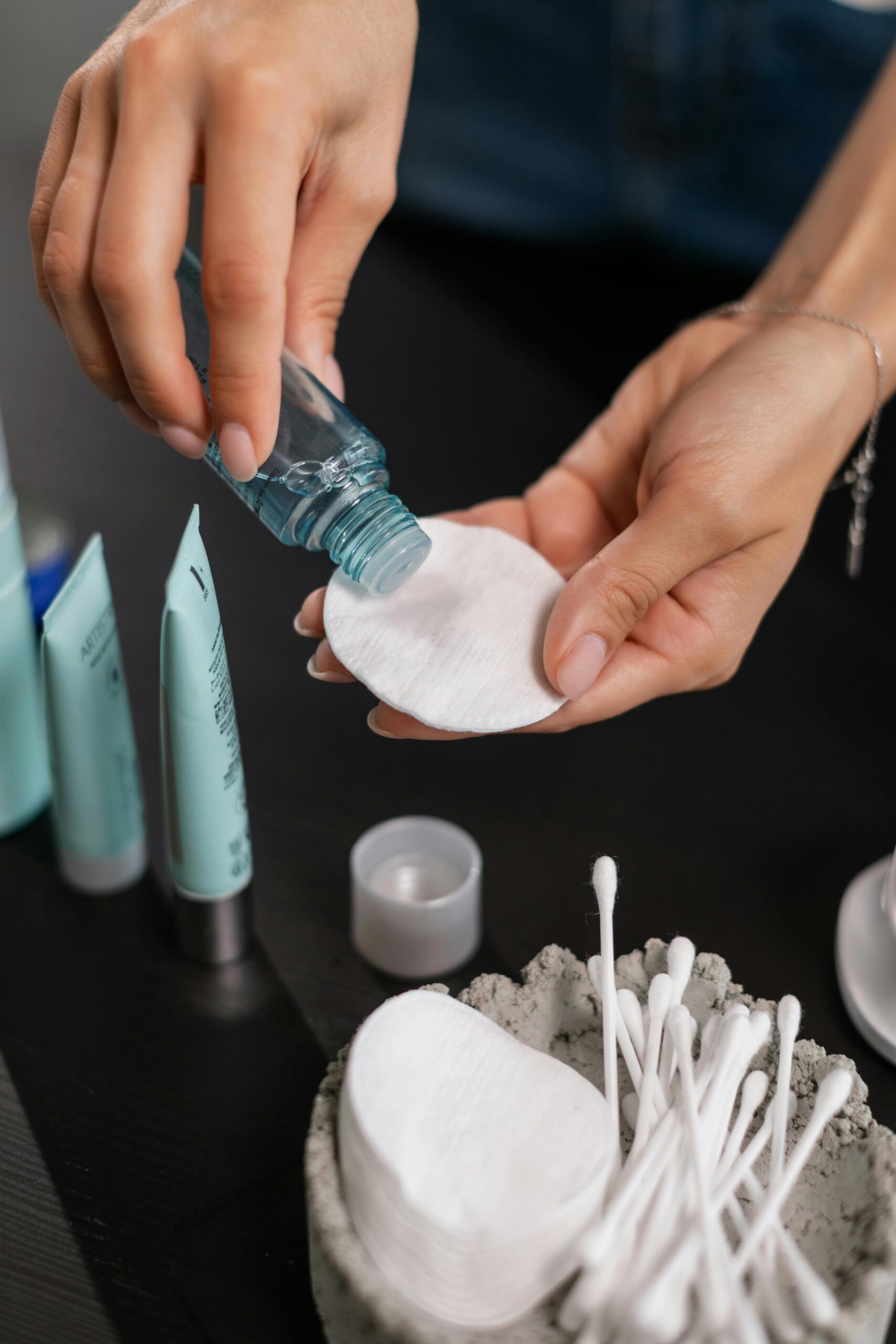
Cleansing is often where dryness starts, even if it does not seem obvious at first. If your skin feels tight right after washing, or you get that slightly squeaky feeling that makes you want moisturizer immediately, your cleanser may be removing more than your skin comfortably handles.
That is why the best drugstore products for dry skin usually start with cleansers that feel simple and low-drama. A good cleanser for dry skin should remove sunscreen, makeup, and buildup without leaving your face feeling stripped.
Examples that work well: CeraVe Hydrating Cleanser and Vanicream Gentle Facial Cleanser. Both are widely trusted because they keep cleansing straightforward and barrier-aware rather than foamy or aggressive.
If your skin still feels uncomfortable after this step, it is worth reading Skin feels tight after cleansing before changing the rest of your routine. One cleanser adjustment can sometimes fix more than people expect.
Heads-up: If you wear heavier sunscreen or makeup, dry skin does not automatically mean you need a stronger cleanser. It usually means you need a gentler cleansing method that still removes everything fully, sometimes with more patience rather than more harshness.
💦 Best drugstore products for dry skin – hydrating serums that actually help
Once cleansing is gentle enough, the next step is adding hydration back in. This is where hydrating serums can be useful – but they tend to work best when expectations are realistic. A serum can help bring water into the skin, but it usually is not the step that makes hydration last all day on its own.
That is especially true in dry climates. Without a moisturizer on top, ingredients like hyaluronic acid can end up feeling less impressive than expected because they are not being supported by a sealing step afterward.
Examples that work well: The Ordinary Hyaluronic Acid 2% + B5, The Inkey List Hyaluronic Acid Serum, and Vichy Minéral 89. These all fit best when your skin needs a hydration layer that slips easily under cream.
Apply on slightly damp skin
This helps a hydrating serum sit more usefully on the skin instead of feeling like it disappears immediately. A lightly damp face is usually enough – it does not need to be soaking wet.
Follow quickly with moisturizer
This is the part people often skip. Moisturizer helps hold that water in place, which is why the pairing matters more than the serum alone.
💡 Quick Pro Tip: If hyaluronic acid keeps feeling underwhelming, try using a smaller amount on slightly damp skin and go in with moisturizer right away instead of waiting. In dry air, spacing the layers too far apart can make the whole routine feel less supportive than it actually is.
If you want a deeper breakdown of which hydrating formulas tend to work best in low humidity, this is the most relevant next read: Best hydrating serums for dry skin.
💧 Best drugstore products for dry skin – moisturizers that actually last
Moisturizer is usually where the routine either comes together or falls apart. If your skin feels comfortable for only an hour or two and then starts feeling tight again, the formula may be too light for your barrier needs – or it may not be layered in a way that helps it last.
For dry skin, richer does not always mean heavy in a bad way. Often it simply means the formula has enough substance to stay supportive instead of vanishing. That is one reason the best drugstore products for dry skin usually include creams with barrier-supportive ingredients like ceramides and emollients that leave the skin feeling calmer rather than just glossy for a few minutes.
Examples that work well: CeraVe Moisturizing Cream, Vanicream Moisturizing Cream, La Roche-Posay Cicaplast Baume B5, and Illiyoon Ceramide Ato Concentrate Cream. They each sit a little differently on the skin, but all make sense when your main goal is comfort that lasts longer.
If your dryness is mild, your climate is less harsh, or you are layering over a hydrating serum, a lighter cream can sometimes be enough for daytime. This usually works best when your skin is more tight than flaky.
If your skin gets flaky, reactive, or dry again before the day is over, richer creams tend to be more realistic. They are often not “too much” – they are simply closer to what your barrier has been asking for.
If moisturizer keeps feeling like the weak point in your routine, this follow-up can help: Why your moisturizer is not working.
🌙 Best drugstore products for very dry skin – sealing hydration overnight
If you are already using a hydrating serum and a decent cream, but your skin still wakes up feeling dry, the missing step is often an occlusive. This is not about making your routine complicated. It is about creating a finish that helps reduce overnight water loss when your skin needs more support than cream alone is giving.
You know that feeling when your skin looks a little calmer and smoother in the morning after a heavier night routine? That improvement is often less about one miracle product and more about finally keeping the hydration from leaving too quickly.
Examples that work well: Aquaphor Healing Ointment and Vaseline. If you prefer something that feels more like a treatment balm than a true ointment, a thicker layer of La Roche-Posay Cicaplast Baume B5 can also make sense on dry, stressed areas.
If you are still figuring out how to combine these steps without things feeling heavy or messy, this post fits naturally here: How to layer skincare for dry skin.
☀️ Best drugstore products for dry skin – sunscreen that feels comfortable
Sunscreen is essential, but dry skin often notices quickly when a formula is too matte, too clingy, or not supportive enough underneath makeup. This is one area where texture matters just as much as protection because an uncomfortable sunscreen can throw off the whole routine.
The best approach is usually a formula that feels flexible on the skin and does not undo all the comfort you built with the earlier steps. For dry skin, sunscreen should feel like the final layer of the routine – not the part that suddenly makes everything feel tight again.
Examples that work well: Beauty of Joseon Relief Sun SPF 50, La Roche-Posay Toleriane Sensitive UV Face Cream SPF 30, and Skin1004 Hyalu-Cica Water-Fit Sun Serum SPF50+. Each one is well known for feeling more comfortable on dry or easily bothered skin than typical drying formulas.
If sunscreen is one of the main reasons your skin feels worse later in the day, this is the best companion read: Best sunscreen for dry skin Canada.
🧴 A simple drugstore skincare routine for dry skin
Sometimes the most helpful thing is seeing how all of this fits together in order. A routine for dry skin does not need to be long. It just needs enough structure to support hydration, barrier comfort, and consistency.
Step 1 – Cleanse gently
Use a cleanser that removes buildup without leaving your skin tight. This sets up the rest of the routine to feel more effective instead of more corrective.
Step 2 – Add hydration
Apply a hydrating serum while skin is still slightly damp. This is where ingredients like hyaluronic acid make more sense – especially when they are not left alone.
Step 3 – Moisturize
Use a cream that matches how dry your skin really feels, not just what seems lighter or more elegant. This is the step that helps hydration stay in place longer.
Step 4 – Seal at night if needed
If skin is still flaky or wakes up dry, use a small amount of an occlusive over your cream in the evening. This is often the quiet fix for routines that almost work, but not quite.
Step 5 – Finish with sunscreen in the morning
Choose one that feels comfortable enough to wear daily. Dry skin usually does better when the final step feels supportive rather than overly matte or drying.
If you prefer a more detailed order-of-application guide, Skincare order for dry skin goes deeper into how the steps fit together without making the routine feel overbuilt.
⚠️ Why your dry skin routine might not be working
Even with the best intentions, a dry skin routine can still feel disappointing if a few small habits are working against it. This is often why people feel like they have tried “everything” when the real issue is usually the combination, texture, or timing of what they are using.
The best drugstore products for dry skin can only do so much if the routine around them is making hydration harder to keep in place. A few common patterns show up again and again.
Using only lightweight moisturizers
If your skin is genuinely dry, not just a little dehydrated, a very light gel-cream may never feel like enough on its own. It can look elegant going on, but your skin may still feel dry again by midday because there is not enough barrier support behind it.
Skipping an occlusive when you need one
In dry climates or during rough skin phases, cream alone may not always hold everything in overnight. That does not mean your moisturizer is bad – it may just mean your skin needs one last sealing step for a while.
Over-cleansing
Washing too often or using a cleanser that feels too “deep-cleaning” can quietly undo the rest of your routine. Dry skin usually responds better to gentleness than to intensity, especially when it already feels tight or reactive.
Layering in the wrong order
Hydrating products tend to work better before creams, and creams usually work better before ointments or sunscreen. When the order is off, products can feel less effective even when the formulas themselves are perfectly fine.
If your routine keeps feeling like it should be working but somehow is not, this post is the most relevant next step: Why my skincare routine is not working.
🧠 How to choose the right products for your skin
At this point, the goal is not to buy more. It is to figure out which part of the routine is actually falling short. A simple decision framework usually works better than trying to overhaul everything at once.
Your cleanser may be too stripping, or you may be washing more often than your skin likes. Start by fixing the cleansing step before you assume every other product is the problem.
This usually points to moisturizer texture or lack of sealing. A richer cream often makes more sense here than adding more and more thin hydrating layers.
This can lean more dehydrated than traditionally dry. A hydrating serum under moisturizer often helps, especially when the skin looks flat rather than flaky.
This usually means the barrier needs more support. Look toward richer creams, calmer formulas, and an occlusive at night if your skin tolerates it well.
If you are deciding between hydration-first products and more sealing, Occlusives vs humectants in a dry climate helps make that distinction much clearer.
❓ Frequently asked questions
What is the best drugstore moisturizer for dry skin?
It depends on how dry your skin actually is, but in general, creams with barrier-supportive ingredients tend to work better than very light gel textures for truly dry skin. Options like CeraVe Moisturizing Cream, Vanicream Moisturizing Cream, or Illiyoon Ceramide Ato Concentrate Cream make sense when you want something that lasts longer and feels more supportive. If your skin is only mildly dry, a lighter daytime option can still work – but richer creams are usually more realistic when dryness is persistent.
Why does my skin still feel dry after moisturizing?
This is often not because moisturizer “does not work.” More often, the routine is missing hydration underneath, or the moisturizer is too light to hold that hydration in for very long. It can also happen when the cleansing step is too stripping, which means your moisturizer is trying to fix more than it realistically can on its own.
Are drugstore products good enough for dry skin?
Yes – absolutely. Many drugstore products use the same types of ingredients that make higher-end products effective, including humectants, ceramides, emollients, and occlusives. The real difference is often texture preference, packaging, or overall formula feel rather than whether the product is capable of helping dry skin at all.
Do I need both a serum and a moisturizer?
Not always, but in many cases the combination works better than either one alone. A hydrating serum helps add water into the skin, while moisturizer helps hold it there and support the barrier around it. If your skin is very dry, moisturizer is usually the less optional of the two, but the pair often gives a better result than relying on only one step.
When should I use an occlusive like Aquaphor or Vaseline?
Occlusives tend to make the most sense at night, especially if your skin still feels dry after serum and cream. They are useful when your routine almost works but your skin still wakes up feeling a little stripped, flaky, or uncomfortable. A small amount is usually enough – this step is about sealing, not coating your skin in as much product as possible.
Can sunscreen make dry skin feel worse?
Yes, some sunscreens can feel drying if they are too matte, too alcohol-heavy, or not flexible enough for already dry skin. That is why texture matters so much here. More comfortable options like Beauty of Joseon Relief Sun SPF 50 or Skin1004 Hyalu-Cica Water-Fit Sun Serum SPF50+ tend to feel better because they behave more like a supportive final skincare step than a drying topcoat.
💡 Final thoughts
The best drugstore products for dry skin are usually not the ones that promise the most. They are the ones that fit your skin’s actual needs – gentle cleansing, hydration that does not get left unsupported, moisturizer that lasts, and a sealing step when your skin needs one more layer of help.
If your routine has felt inconsistent, the fix is often smaller and calmer than it seems. A more supportive cleanser, a better moisturizer texture, or simply layering in a more logical order can change how your skin behaves far more than chasing something new every week.
Dry skin can feel stubborn, but a better routine usually starts with simpler choices – the kind that make your skin feel comfortable for longer, not just briefly better right after application.
Keep Reading: Best hydrating serums for dry skin · Why your moisturizer is not working · Best sunscreen for dry skin Canada · How to layer skincare for dry skin
📚 Sources & References
- American Academy of Dermatology – Dry skin relief and care tips
- Cleveland Clinic – Dry skin (xeroderma) overview
- NCBI Bookshelf – Xerosis (dry skin): pathophysiology and management overview
- Journal of Clinical and Aesthetic Dermatology – Moisturizers for xerosis and barrier support
- Clinical, Cosmetic and Investigational Dermatology – Ceramides and the skin barrier
- American Academy of Dermatology – How to select sunscreen
You Might Also Like
Bumpy Skin Texture – What Causes It and How to Smooth It Safely

Best Moisturizers for Extremely Dry Winter Skin (Canada)
Why Does My Skin Look Dull but Hydrated? What You’re Missing

Skin Feels Tight After Cleansing? Why It Happens + Fix

Why Your Skincare Suddenly Stops Working – And How to Fix It
Why Does My Moisturizer Burn? 5 Common Reasons
Simple Skincare Routine for Dry Skin That Actually Works
Skincare in Dry Climates: How to Keep Your Skin Hydrated When the Air Isn’t Helping
Best Hydrating Serums for Dry Skin in Low Humidity That Work
Do You Need Sunscreen on Cloudy Days? Real Answer